

Making a smart business plan for your Online Store

If you are a business owner who wants to enter the online business world, then unfamiliarity with the process is the biggest obstacle. You want to avail the benefits of eCommerce website development but completely unaware of the tricks and traps. “How to start an online store” is a big question that troubles many budding E-entrepreneurs.
Here are some important things that you must know whether you are entering directly into the online market (it means you don’t have any conventional outlet) or want to launch a parallel stream of revenue. As you move forward reading the article, you will be clear about the salient aspects of it.
Step #1: Never start without a plan
Imagine a situation when you start a retail outlet (brick and mortar) in a busy locality. Do you think it is possible to do it overnight? Is it not something that requires sound planning and systematic implementation? In the same manner, starting an online business is nothing but expanding your business in the virtual marketplace.
Hence, it would be best if you were ready with a clear framework and an unambiguous roadmap. All critical aspects, such as marketing, advertising, and finance, should be looked after well.
Step #2: Define the right business structure
Once you decide on a business plan, select a structure that suits best for the company. Consider tax benefits and other business aspects. Once you decide on it, the next step is to establish an online outlet. It is expected that you know what products you want to sell through an online outlet. If you haven’t decided on it yet, then do it first.
Step #3: Establish the distribution channel
Remember, it is not sufficient to establish an online outlet. It would be best to have a strong and robust distribution channel, whether it is drop shipping or reselling.
Step #4: Barcoding is the intelligent way of business
You need to establish barcodes for every item you need to sell. A separate barcode for every product ensures accurate billing.
Step #5: Inventory management and Supply Chain Management
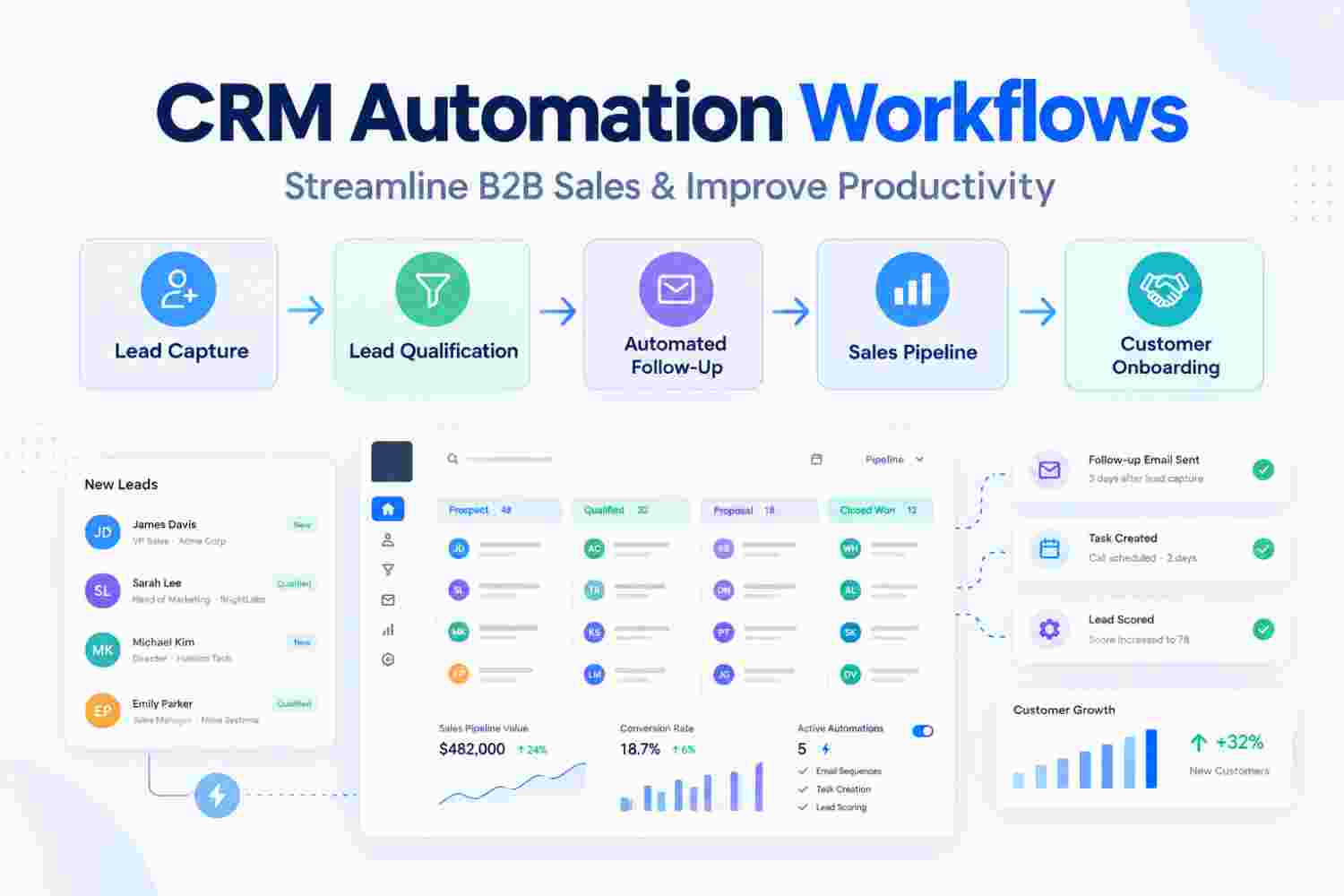
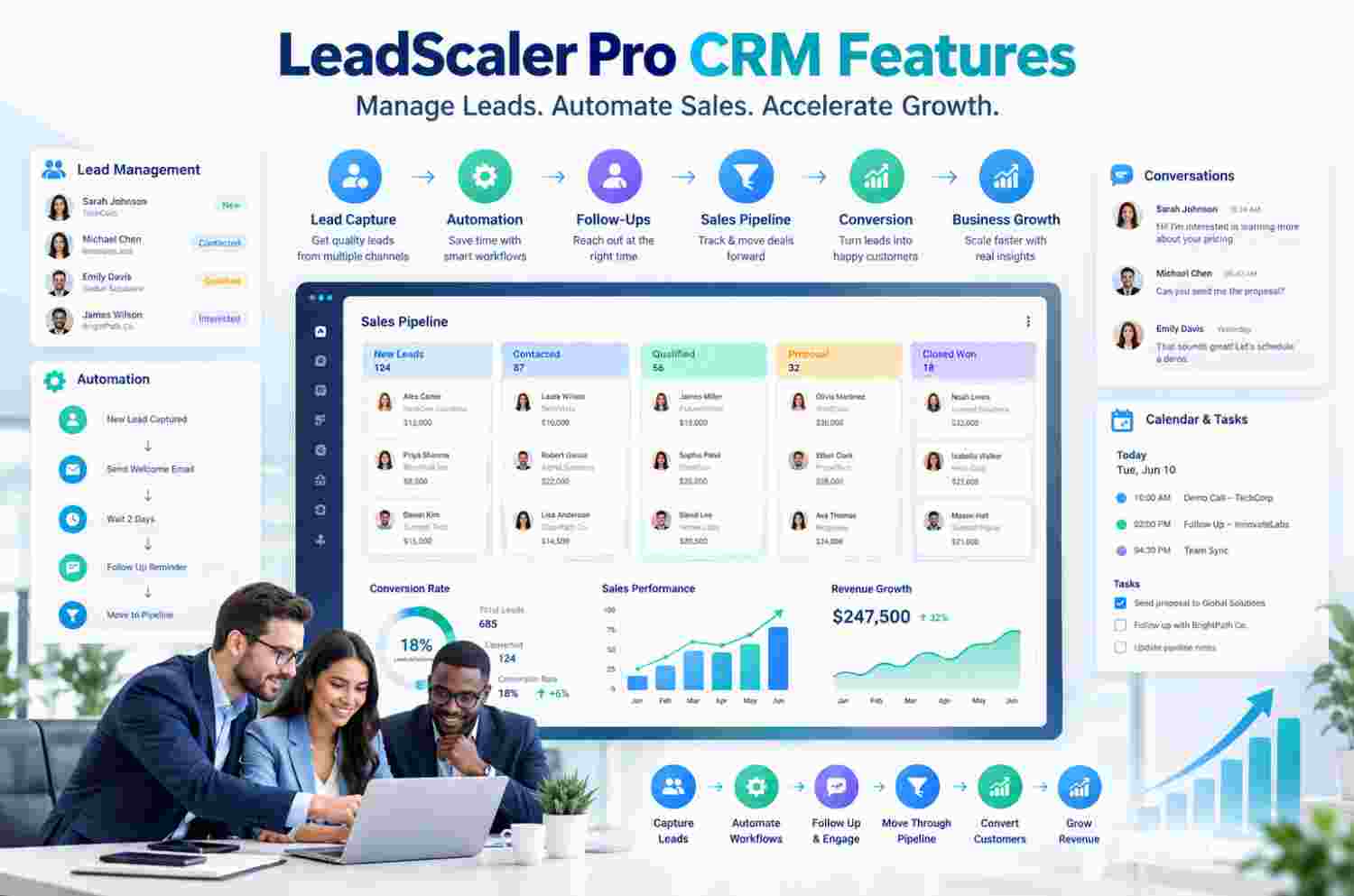
You need good inventory size irrespective of whether you have an online business only or have a parallel setup. Also, you must implement a robust CRM system to manage business operations. Warehousing and logistics are also important aspects. Thankfully, you don’t have to incur huge expenses on these heads as several third-party arrangements are available.
Step #6: Create the website
Contrary to the perception, eCommerce website design and development come quite late. Once you are ready with everything mentioned earlier, buy a domain name and get the website developed. Of course, it is a core technical issue that requires an expert’s intervention.
Online eCommerce development services such as Shopify make things pretty convenient. You have the flexibility of buying a domain name, and there are tools available to build the website.
Once you setup the online business by hiring a mobile application development company in India, make it visible using optimization concepts. Reap big benefits by exploring the potential of the virtual world.
Step #7: Identify Your Target Audience
One of the biggest mistakes ecommerce businesses make is trying to sell products to everyone. A successful online store always focuses on a specific audience segment. Understanding customer behavior, buying patterns, age groups, interests, and spending habits helps create a better marketing strategy.
Before launching your ecommerce website, research the following:
- Customer demographics
- Market demand
- Competitor pricing
- Popular product categories
- Customer pain points
When you know your ideal customers well, it becomes easier to optimize product listings, create marketing campaigns, and improve conversions.
Step #8: Build a Strong Brand Identity
Your online store should have a memorable brand presence. Customers trust brands that appear professional, consistent, and customer-focused.
Important branding elements include:
- Business logo
- Brand colors
- Typography
- Product packaging
- Website design consistency
- Social media branding
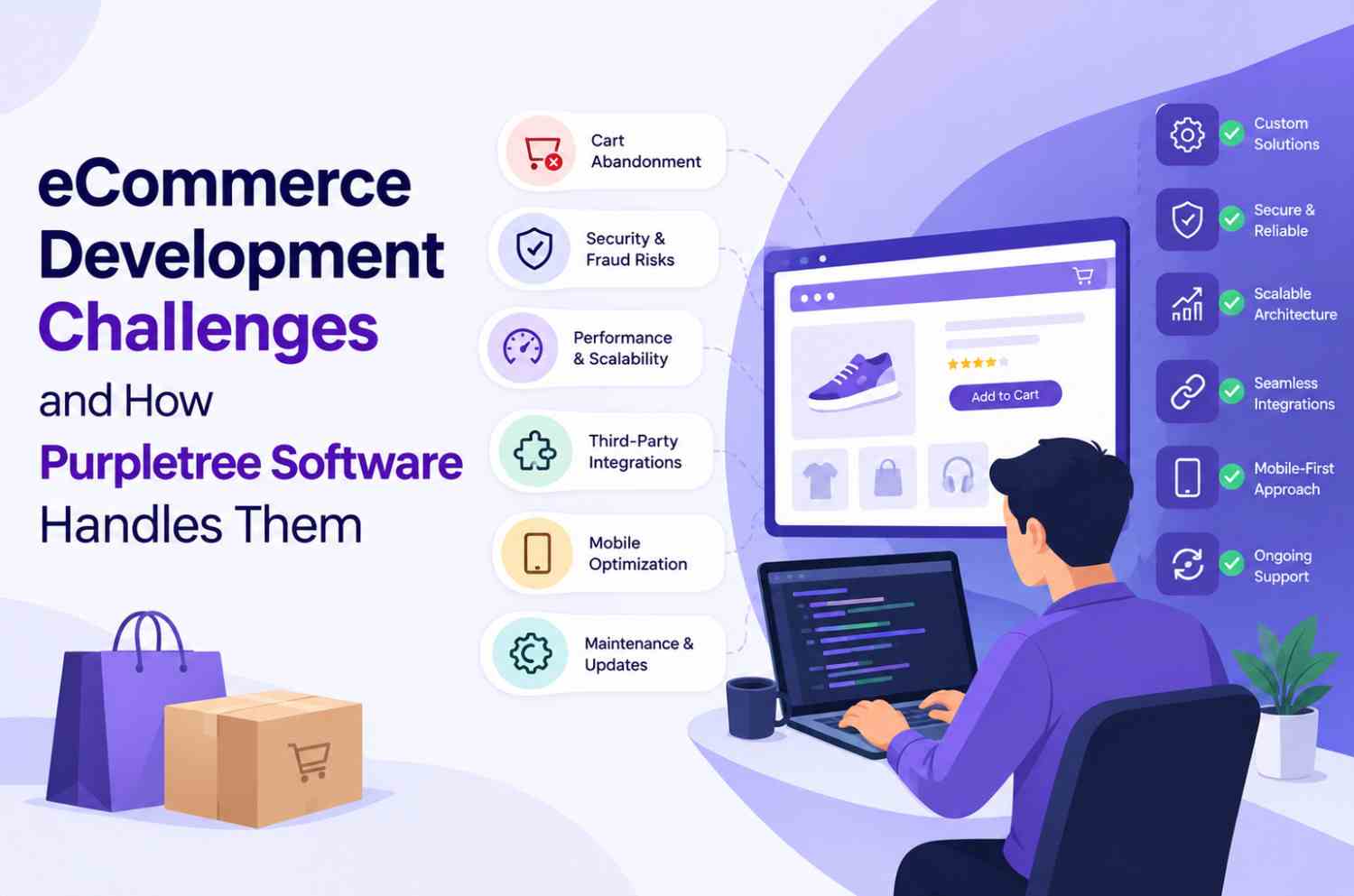
A professionally designed ecommerce website creates trust and improves customer engagement. Businesses often partner with experienced ecommerce development companies like Purpletree Software to create scalable and visually appealing online stores.
Step #9: Create a Digital Marketing Strategy
Even the best ecommerce website cannot generate sales without proper marketing. A smart business plan must include a digital marketing strategy from day one.
Popular ecommerce marketing channels include:
- Search Engine Optimization (SEO)
- Social Media Marketing
- Google Ads
- Email Marketing
- Influencer Marketing
- Content Marketing
- Retargeting Campaigns
SEO plays a major role in driving organic traffic to your online store. Product pages, category pages, blog articles, and images should all be optimized for search engines.
Step #10: Focus on Mobile Commerce
Today, a large percentage of ecommerce purchases happen through smartphones. Your online store should provide a seamless mobile shopping experience.
Important mobile optimization factors include:
- Responsive website design
- Fast loading speed
- Mobile-friendly navigation
- Secure payment gateway
- Easy checkout process
A slow or poorly optimized mobile website can increase bounce rates and reduce conversions significantly.
Step #11: Secure Payment and Customer Trust
Customers only purchase from websites they trust. Security and transparency are essential for long-term ecommerce success.
You should implement:
- SSL certificates
- Secure payment gateways
- Transparent refund policies
- Customer reviews
- Privacy policy pages
- Multiple payment options
Trust-building elements improve customer confidence and increase repeat purchases.
Step #12: Analyze Performance and Scale Strategically
Launching an ecommerce website is only the beginning. Continuous monitoring and optimization are necessary for sustainable growth.
Track important ecommerce metrics such as:
- Website traffic
- Conversion rate
- Cart abandonment rate
- Customer acquisition cost
- Average order value
- Repeat customer rate
Analytics tools help business owners make data-driven decisions and improve overall business performance.
As your business grows, you can scale operations through automation, better logistics, advanced CRM systems, and improved customer support solutions.
Final Thoughts
Creating a smart business plan for your online store requires more than simply building a website. From selecting the right business structure to managing inventory, marketing, customer experience, and analytics, every step contributes to long-term ecommerce success.
Businesses that invest in proper planning, technology, and digital growth strategies are more likely to achieve sustainable online success. Partnering with experienced ecommerce development experts like Purpletree Software can help streamline the development process and create a high-performing online store tailored to your business goals.