

Build a Scalable Ecommerce Marketplace with Magento 2 Multi-Vendor

The ecommerce industry is moving from traditional single-seller stores to large online marketplaces where multiple sellers can offer products through one website. Marketplaces such as Amazon, Etsy, and AliExpress have shown how this business model can connect sellers and customers on a single platform.
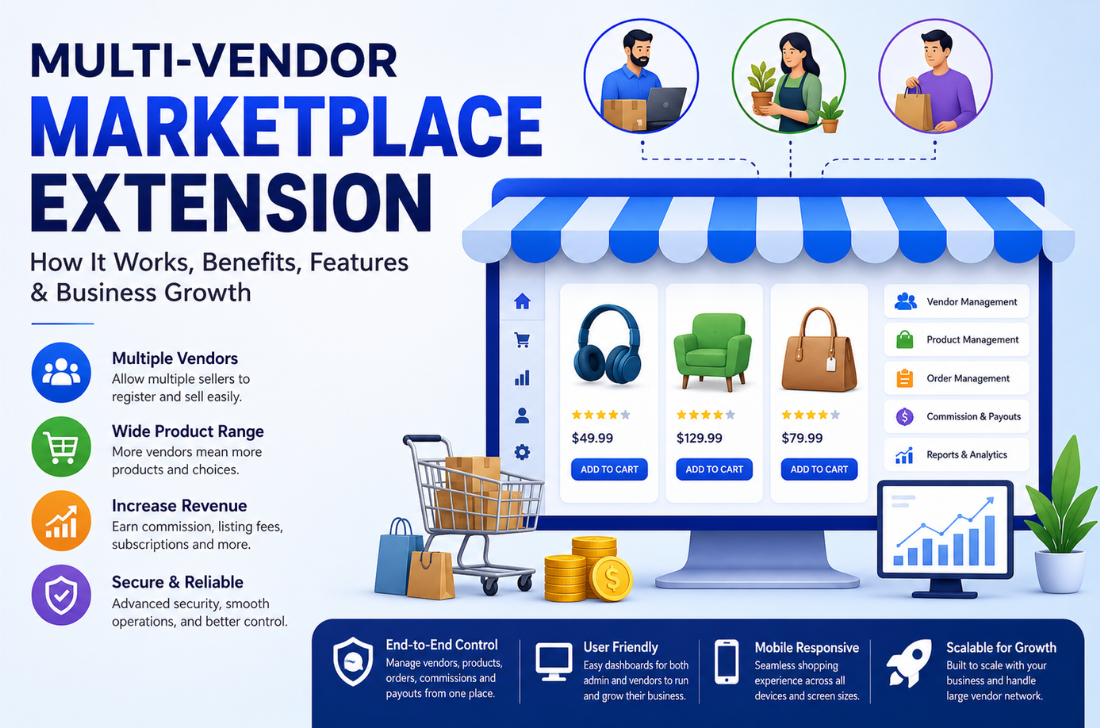
A Magento 2 Multi-Vendor Marketplace solution allows Magento store owners to convert their ecommerce website into a marketplace where multiple vendors can register, create their stores, add products, manage orders, and interact with customers. At the same time, the marketplace owner can control vendors, products, commissions, orders, and other marketplace activities.
What Is a Magento 2 Multi-Vendor Marketplace?
A multi-vendor marketplace is an ecommerce platform where multiple independent sellers sell their products through one common website.
Unlike a traditional ecommerce store, where products are usually managed by one business, a marketplace allows different vendors to manage their own products and store activities.
Depending on the marketplace setup, vendors can:
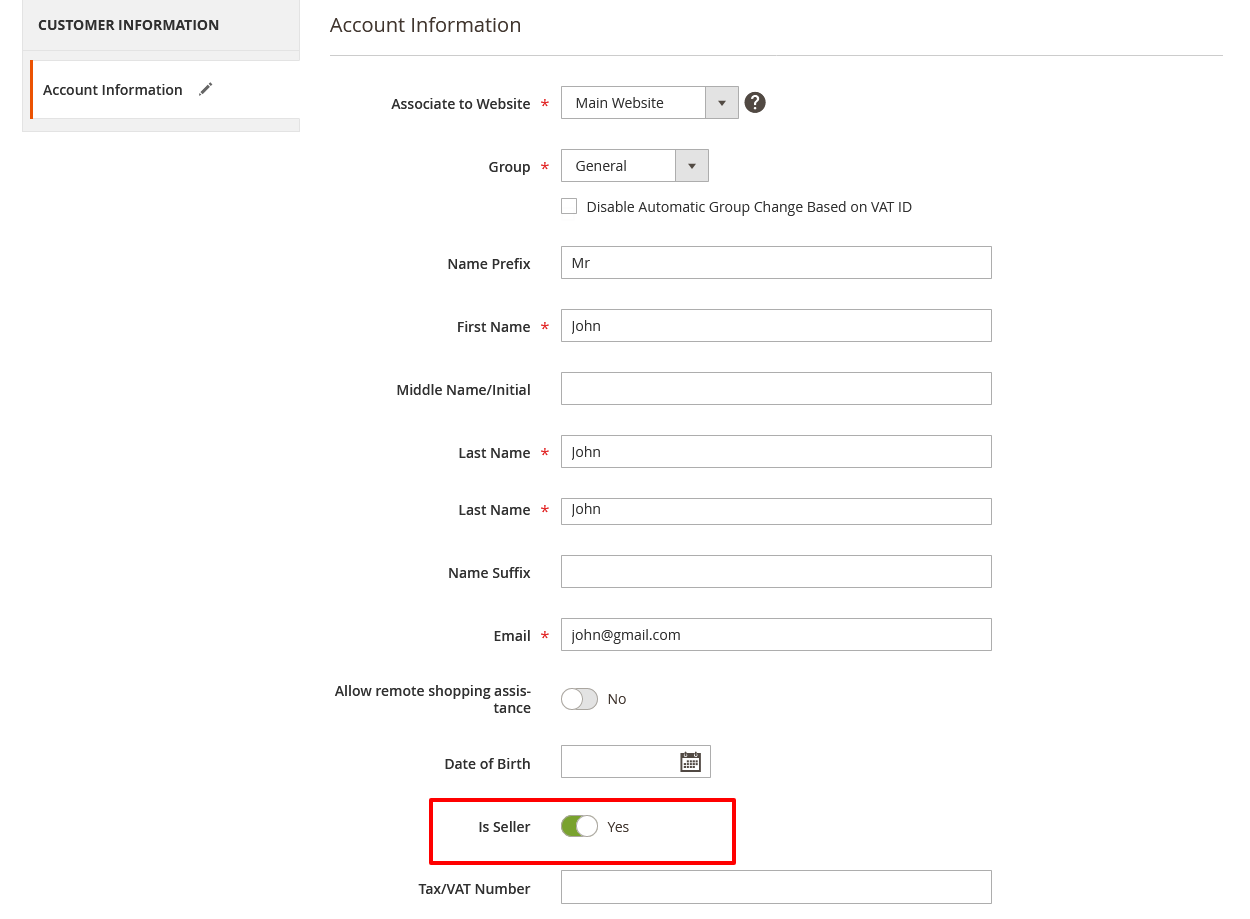
- Register as sellers
- Create their own storefronts
- Add and manage products
- View and process orders
- Manage their seller profile
- Respond to customer inquiries
- View reviews and ratings
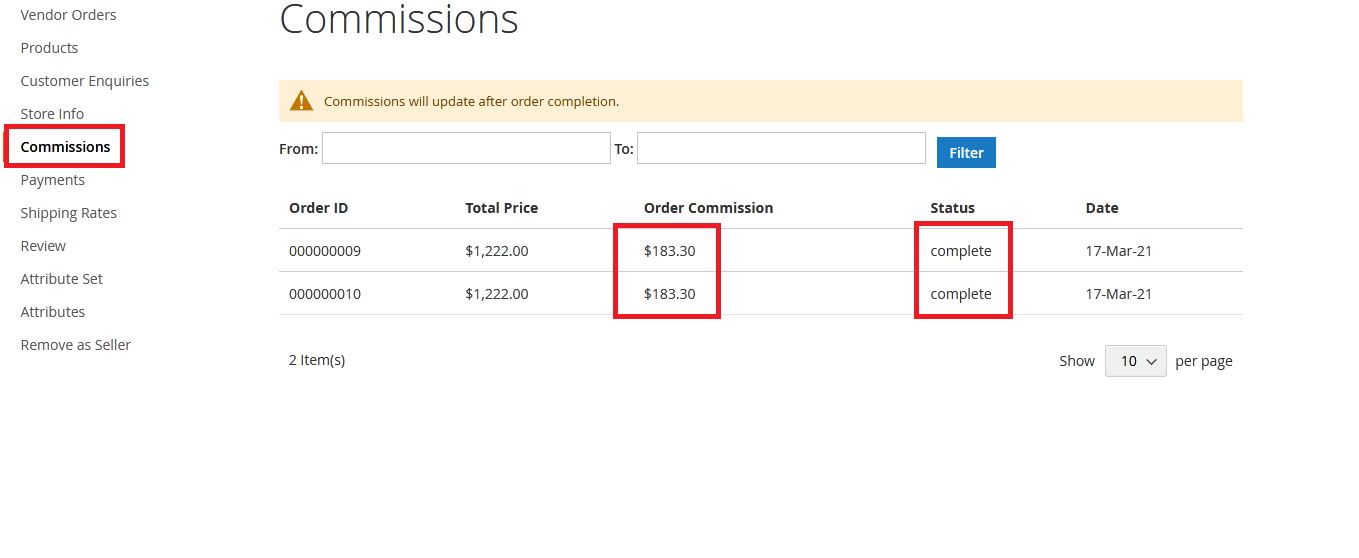
- Track commissions and settlements
The Magento Marketplace administrator maintains overall control of the platform and can manage sellers, products, categories, commissions, orders, reviews, and marketplace policies.
Why Use a Multi-Vendor Marketplace?
A traditional ecommerce store usually requires the business owner to source, manage, and sell its own inventory. As the catalogue grows, managing products, suppliers, orders, and inventory can become more complex.
A multi-vendor model provides another approach. Businesses can invite independent sellers to list their products and manage their own marketplace activities while the platform owner manages the overall marketplace.
Expand the Product Catalogue
Multiple sellers can add products to the marketplace, helping the platform offer a wider product selection without requiring the marketplace owner to manage every product directly.
A larger product catalogue can also help the marketplace serve different customer requirements and product categories.
Create New Revenue Opportunities
A marketplace can generate revenue through commissions charged on vendor sales. Depending on the business model, marketplace owners can also consider seller registration fees, subscription plans, promotional services, or other marketplace services.
Reduce Direct Inventory Responsibilities
Vendors can manage their own products and inventory according to the marketplace's operating model. This can reduce the need for the marketplace owner to purchase and maintain every product directly.
Scale With More Sellers
Adding new sellers can help a marketplace expand its product range and reach new customer segments. Vendors contribute products and business expertise while the marketplace provides the common platform.
Key Benefits of a Magento 2 Multi-Vendor Marketplace
Dedicated Vendor Management
Each seller can have a dedicated vendor area where they can manage products, orders, store information, and other marketplace activities.
This allows vendors to manage their business without requiring direct access to the main Magento administration area.
Better Administrative Control
The marketplace administrator can maintain control over important marketplace operations. Vendor registration, product approval, commissions, orders, reviews, and seller information can be managed from the administration side.
Flexible Commission Management
Commission management is an important part of running a marketplace. Administrators can define commission rules according to their business requirements.
Commission rates can be configured globally, for individual vendors, or according to product categories, depending on the marketplace setup.
Improved Product Discovery
Customers can browse products from different sellers through one website. This can make the marketplace a convenient shopping destination and provide customers with more product choices.
Seller-Customer Communication
Customers can contact vendors regarding products or store-related questions. Direct communication can help customers get additional information before placing an order.
Admin Features
Vendor Registration and Approval
Vendors can register through a dedicated registration page. The administrator can choose whether seller registrations require approval before vendors can access marketplace functionality.
Product Approval
Administrators can enable product approval when they want to review seller products before publication.
This can help marketplaces maintain product quality and ensure that vendor listings follow marketplace policies.
Vendor Account Management
Administrators can add, edit, and remove vendor accounts from the backend. This provides centralized control over the seller network.
Vendor Category Management
The administrator can control the categories that vendors are allowed to use. Category restrictions can help maintain a properly organized marketplace catalogue.
Assign Existing Products to Vendors
Existing Magento products can be assigned to vendors. This can be useful when an existing ecommerce store is converted into a multi-vendor marketplace.
Seller Order Management
Administrators can view seller-related orders from the backend. Seller filters can make it easier to identify orders associated with specific vendors.
Commission Management
Administrators can manage commissions received from sellers. Different commission rates can be configured according to vendor, category, or overall marketplace requirements.
Vendor Payment Records
Marketplace administrators can maintain records of payments made to vendors. Offline payment records can help businesses maintain a history of vendor settlements.
Review and Rating Management
Administrators can manage vendor reviews and ratings. Customer feedback can help the marketplace monitor seller performance and maintain marketplace quality.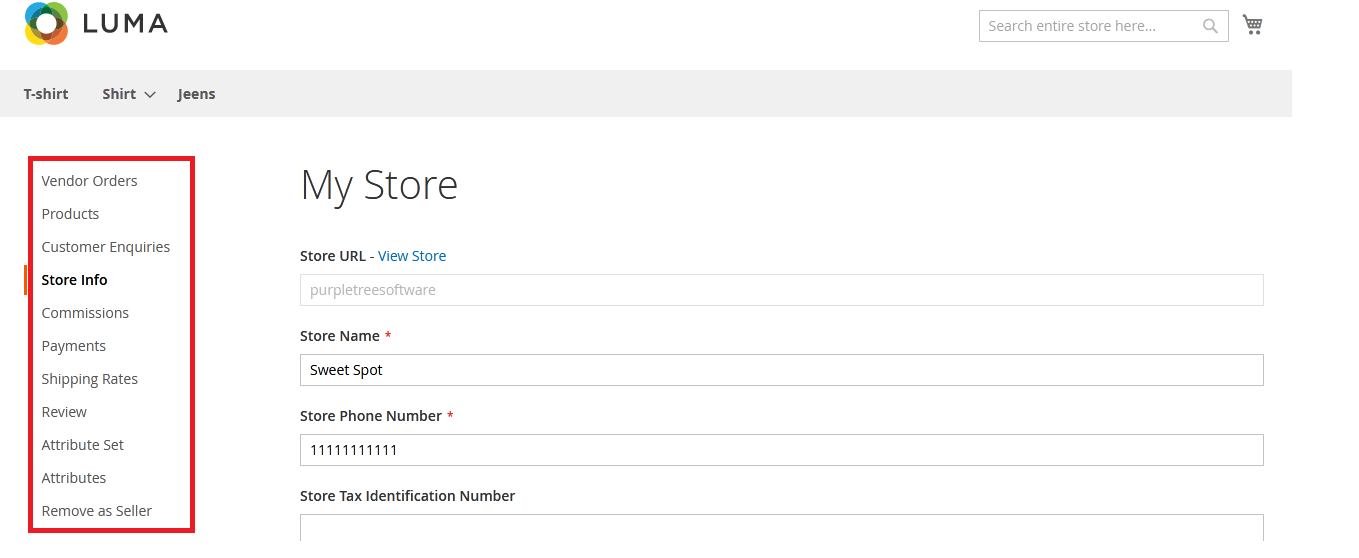
Vendor Features
Vendor Dashboard
Sellers receive a dedicated dashboard where they can manage their marketplace activities. The vendor panel can provide access to products, orders, profile information, reviews, inquiries, commissions, and settlement information.
Vendor Registration
Sellers can apply to become vendors through the marketplace frontend. Depending on the configuration, administrators can approve registrations before sellers start operating.
Manage Vendor Profile
Vendors can manage their profile information and update relevant seller details from their vendor panel.
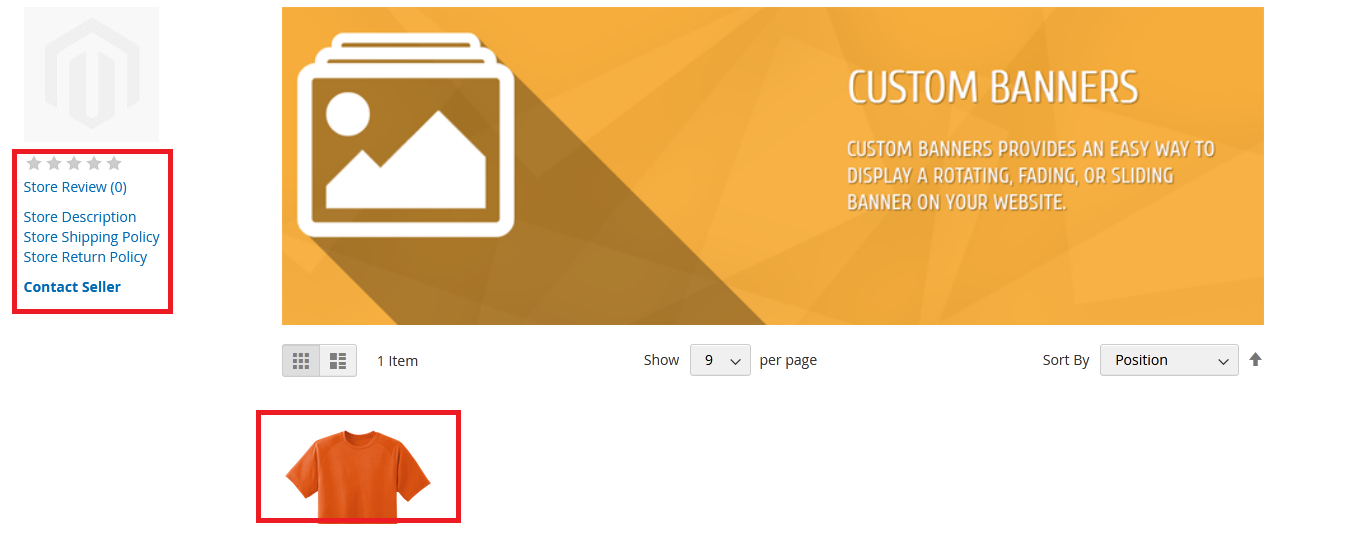
Dedicated Vendor Store
Each seller can have a dedicated store page where customers can view the vendor's products and store information.
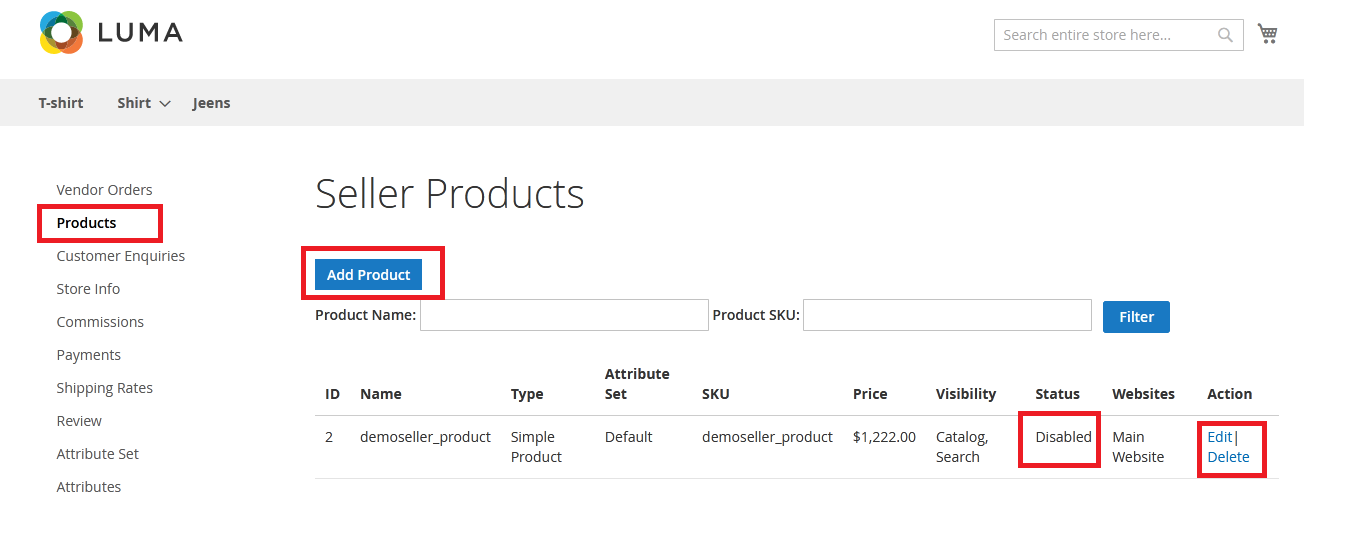
Product Management
Vendors can add, edit, and delete products from their seller panel. Support for Magento product types can allow vendors to manage different types of ecommerce products.
Custom Product Attributes
Vendors can use custom attributes and attribute sets for products where required. This provides flexibility for sellers dealing with different product categories.
Order Management
Vendors can view their orders and access relevant order information from their dashboard. They can also perform supported order-processing activities such as invoice creation.
Commission and Settlement Information
Vendors can view commission deductions and relevant settlement records. This provides greater transparency regarding marketplace earnings and payments.
Customer Inquiries
Vendors can view customer questions submitted through product or store pages. This allows sellers to communicate directly with customers regarding their products.
Customer Features
Products From Multiple Sellers
Customers can browse products from different vendors through one marketplace. This provides a broader selection compared with a single-seller store.
Combined Checkout
Customers can purchase products from multiple vendors through a combined checkout experience, depending on the marketplace configuration.
Split Vendor Orders
When an order contains products from multiple sellers, the marketplace can separate the relevant order information for each vendor. This allows individual sellers to process their respective products.
Vendor Store Pages
Customers can visit individual vendor store pages to view products associated with a particular seller.
Contact Vendor
Customers can send inquiries to vendors from product or store pages. This gives customers an opportunity to ask questions before purchasing.
Vendor Reviews and Ratings
Customers can provide reviews and ratings for sellers and their products. Reviews can help other customers make more informed purchasing decisions.
Become a Vendor
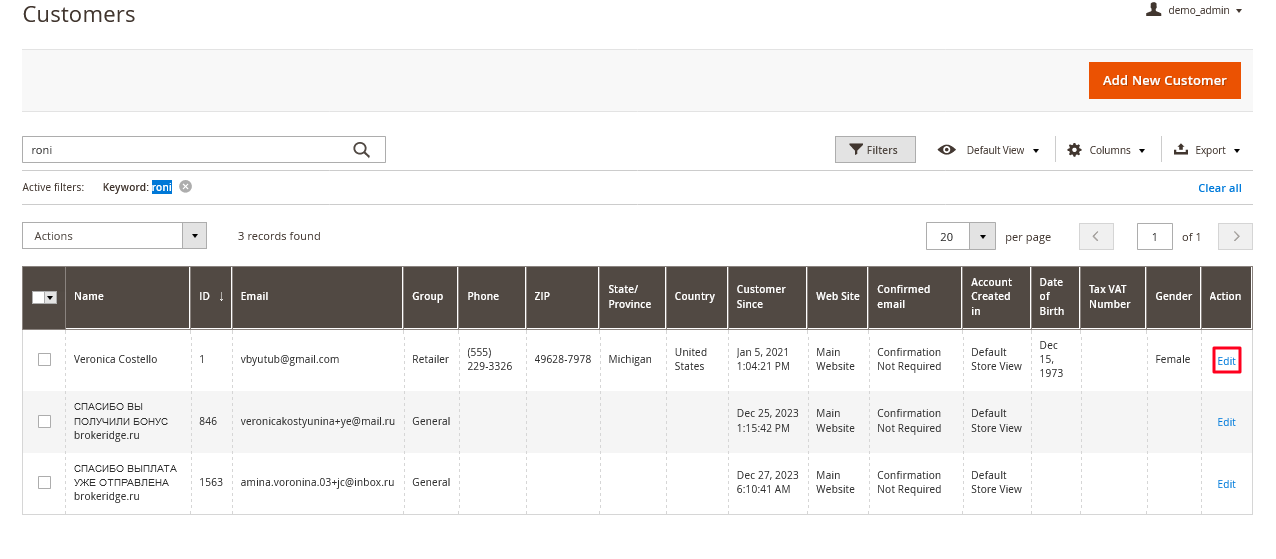
Existing customers or registered users can apply to become vendors when the marketplace allows customer-to-vendor registration.
How Multi-Vendor Orders Work
Managing orders from different sellers is one of the important requirements of a marketplace.
For example, a customer may purchase a laptop from Vendor A, a keyboard from Vendor B, and a mouse from Vendor C in one order.
The marketplace needs to identify which products belong to each seller so that every vendor can process the relevant products while the administrator maintains an overall view of the order.
This type of order management can make it easier for multiple vendors to operate through one ecommerce platform.
Commission Management for Marketplace Businesses
Commission is commonly used as a revenue model for multi-vendor marketplaces.
A marketplace can use different commission structures depending on its business strategy.
- Global commission for all sellers
- Different commission for individual vendors
- Different commission for product categories
Flexible commission management is useful when different sellers or categories have different commercial agreements.
Uses of a Magento Multi-Vendor Marketplace
B2C Marketplace
A business can allow multiple retailers, brands, wholesalers, or independent sellers to sell products directly to consumers through one website.
B2B Marketplace
Manufacturers, suppliers, distributors, and wholesalers can use a marketplace model to offer products to business customers from a centralized ecommerce platform.
Niche Marketplace
Businesses can create specialized marketplaces for specific industries or product categories such as fashion, electronics, furniture, sports products, beauty products, handmade products, or automotive parts.
Local Seller Marketplace
A marketplace can bring multiple local businesses together under one online platform. Each business can manage its own products while customers use one website for shopping.
Brand and Distributor Marketplace
Businesses can invite selected brands and distributors to sell through their ecommerce platform. This can help expand the product catalogue while keeping control over seller participation.
Hyvä Compatibility
Magento businesses using the Hyvä theme ecosystem need marketplace functionality that works with their frontend technology.
Hyvä compatibility can help merchants using the Hyvä theme integrate marketplace functionality while maintaining their preferred storefront experience.
Support for Multiple Languages
Businesses targeting customers and sellers in different countries may require multilingual marketplace functionality.
Multi-language support can help marketplaces serve international sellers and customers and create a more accessible shopping experience.
Open Source and Customization
Every marketplace can have different business requirements. Open-source functionality provides developers with greater flexibility to customize the marketplace according to specific business needs.
Customization may include changes to vendor workflows, commission rules, dashboards, storefronts, integrations, product management, and other marketplace functionality.
Mobile Marketplace Management
Mobile access can make marketplace management more convenient for vendors who need to monitor their business while away from a desktop computer.
A compatible vendor mobile application can help sellers manage important marketplace activities from mobile devices.
Free Lifetime Updates
Marketplace software needs to evolve as ecommerce platforms and customer expectations change. Regular updates can provide improvements, new functionality, and compatibility enhancements.
A marketplace extension that includes free lifetime updates can provide long-term value by allowing businesses to receive future upgrades without purchasing the extension again, according to the applicable update policy.
What to Consider Before Launching a Marketplace
Vendor Onboarding
Define which sellers can join the marketplace and what information they need to provide during registration.
Commission Structure
Decide whether commissions should be global, vendor-specific, category-based, or managed through another business model.
Product Quality
Set clear requirements for product names, descriptions, images, categories, pricing, attributes, and other listing information.
Order Fulfilment
Define how vendors will manage shipping, invoices, returns, cancellations, and other fulfilment responsibilities.
Vendor Payments
Establish a clear settlement process and maintain accurate records of payments made to sellers.
Customer Support
Clearly define which customer issues are handled by vendors and which issues are managed by the marketplace administrator.
Marketplace Policies
Seller agreements, commission terms, product policies, review rules, and dispute procedures should be clearly documented before launching the marketplace.
Conclusion
A Magento 2 Multi-Vendor Marketplace can transform a conventional ecommerce store into a platform where multiple sellers can operate through one online destination.
Features such as vendor registration, product approval, dedicated seller dashboards, vendor stores, product management, order processing, commission control, reviews, inquiries, and settlement records can provide the foundation needed to manage a multi-seller ecommerce business.
For businesses looking to expand their product catalogue, work with independent sellers, create new revenue opportunities, or build a specialized ecommerce platform, the multi-vendor marketplace model provides a scalable alternative to traditional single-seller ecommerce.
The technology is only one part of a successful marketplace. Clear seller policies, transparent commissions, reliable fulfilment, effective customer support, and a consistent shopping experience are equally important for building a marketplace that can grow over time.