

ERP to Magento Synchronization
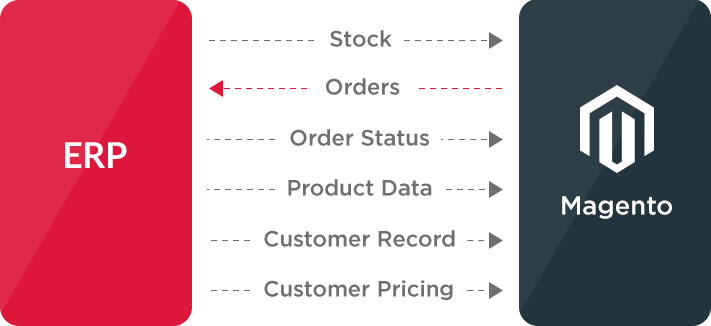
You have a robust ERP system already in place, and now you are going for Magento implementation to benefit from an online presence. However, you were always worried about the possibility of integrating both the software so that there is no data redundancy and duplicate work. Don’t worry; there is good news for you. It is very much possible to integrate and synchronize the two platforms. When you hire a seasoned Magento development company, it always has an integration program on the menu card.
Now leave aside the worries of synchronizing orders received in the real-time web store to the CRM database. It happens in a blink, and that too with 100% accuracy, not even.001 less! The speed of data synchronization is so fast that even if you have hundreds of orders and thousands of stock updates daily; there is no problem.
What Are Data Points Crucial From The Synchronization Perspective?
Before discussing the data elements you want to synchronize, you have to decide whether you need a one-way integration or two-way? Also, what is the data update frequency you are targeting? Is it once a day, twice a day or every ten minutes? What is the data volume? What is the width of the data? Do you need demographic data and order details or in-depth data of line items? These all are crucial aspects you should think about.
Think about the budget allocation for data synchronization as the invoice raised by the Magento development company you hire would give you a surprise. Yes, it’s a costly affair indeed. If the data points are too much, you might compromise a few elements to meet the ends. Here are a few data points that you can’t skip in any case:
- Customers and Customer Groups
- Order and Invoice Data
- Inventory and Shipments
- Product Data
- Credit Memos
- Transactions
- Tax Rules
Three Benefits of Data Synchronization
When you call an integration service provider to synchronise your eCommerce platform and ERP, you should expect three distinct benefits.
Data security
Since your eCommerce website is available on an HTTPS link (Secured Layer), the data flow in an encrypted format even between ERP and Magento platforms. Therefore, it is totally anonymous and secure.
High level of reliability
Since the data transfer and update is almost real-time, there is no possibility of data mismatch. In error, data update gets queued up, and the system takes care that there is no data loss.
Data independence
Since Magento and ERP systems are data-independent, breakdown caused at one end doesn’t affect the other.
How to find the right service provider for data synchronization?
In the majority of the cases, Magento developers are data integrators also. Hence, you do not need a separate entity. Get the information about the reputation of the company and experience. If you are convinced with it, then sign off the deal. It makes the end-user experience smooth.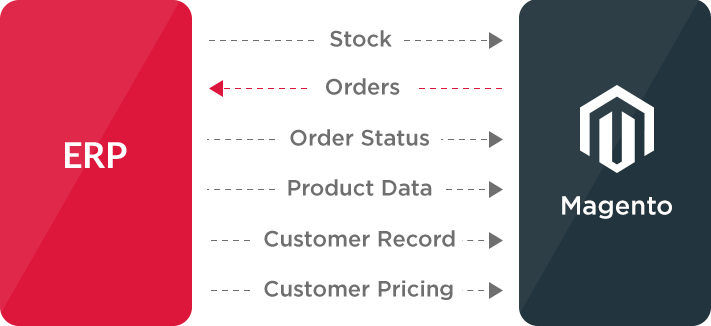
Why ERP and Magento Integration Is Essential for Ecommerce Growth
Modern ecommerce businesses handle large amounts of customer data, inventory updates, invoices, shipments, and transactions every day. Managing all these operations manually increases the risk of errors and delays.
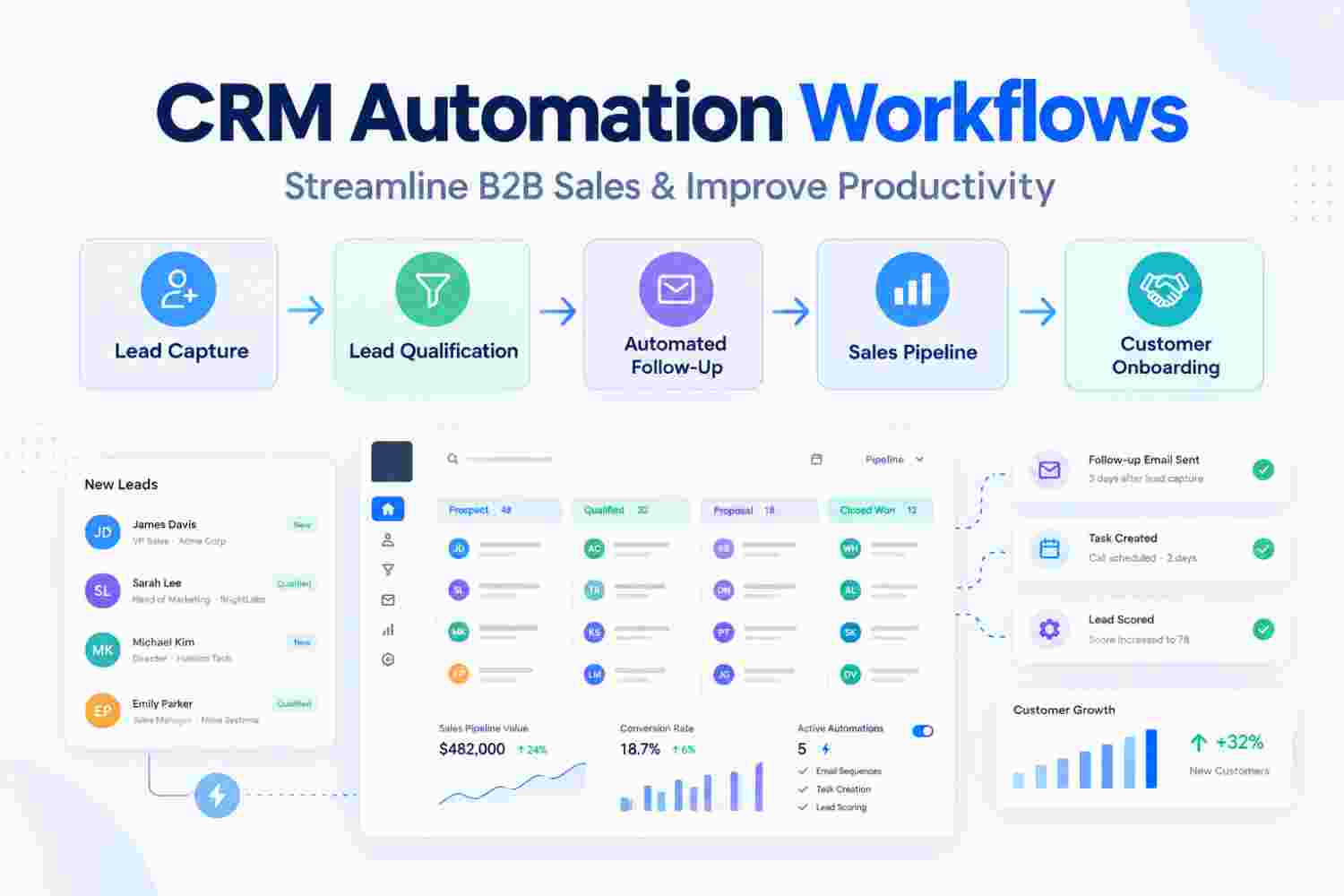
ERP to Magento synchronization helps automate the entire workflow by creating a seamless connection between your ecommerce store and backend business operations. It improves operational efficiency, enhances customer experience, and reduces repetitive manual work.
Businesses working with experienced Magento integration experts like Purpletree Software can implement secure and scalable synchronization solutions tailored to their operational needs.
Key Features of ERP to Magento Synchronization
A professionally integrated ERP and Magento system offers several advanced features that improve overall ecommerce management.
Real-Time Inventory Updates
Inventory synchronization ensures stock levels remain updated across all sales channels. This minimizes overselling and helps maintain accurate product availability information.
Automated Order Processing
Orders placed on the Magento store are automatically transferred to the ERP system for billing, fulfillment, and shipping processes. This reduces manual intervention and improves processing speed.
Centralized Customer Management
Customer information, purchase history, and account details can be managed centrally, helping businesses provide better customer service and personalized experiences.
Product Information Synchronization
ERP integration allows automatic synchronization of product descriptions, SKUs, pricing, categories, and images between systems.
Financial and Tax Management
Tax rules, invoices, transactions, and payment information can be synchronized accurately, helping businesses maintain financial transparency and compliance.
Common Challenges in ERP to Magento Integration
While Magento synchronization offers numerous benefits, businesses should also understand potential integration challenges.
Complex Data Structures
ERP systems often contain large volumes of complex data structures that require careful mapping with Magento.
Integration Cost
Custom synchronization solutions may require a significant investment depending on the complexity of workflows and data points involved.
System Compatibility
Older ERP systems may need additional customization to communicate effectively with Magento.
Security and Compliance
Businesses must ensure secure data transmission and compliance with data protection standards during synchronization.
Best Practices for Successful Magento ERP Synchronization
To ensure smooth integration and long-term scalability, businesses should follow proven synchronization practices.
- Define clear business objectives
- Identify essential data points first
- Choose the right synchronization frequency
- Implement secure API connections
- Monitor synchronization logs regularly
- Test integrations before deployment
- Work with experienced Magento integration experts
A well-planned integration strategy minimizes risks and ensures reliable data flow between systems.
Importance of Scalable Ecommerce Infrastructure
As ecommerce businesses grow, operational complexity also increases. A scalable ERP and Magento synchronization solution allows businesses to manage higher order volumes, larger inventories, and multiple customer touchpoints efficiently.
Cloud-based ERP integration and automated workflows can further improve business scalability while reducing operational costs.
Final Thoughts
ERP to Magento synchronization plays a critical role in streamlining ecommerce operations and improving business efficiency. From inventory management and order processing to customer data synchronization and financial management, a robust integration system ensures smooth business operations.
Choosing the right Magento development and integration partner is essential for building a reliable synchronization architecture. Companies like Purpletree Software help businesses implement secure, scalable, and performance-driven Magento ERP integration solutions tailored to their operational goals.