

Analysis of most popular ecommerce CMS
What is an eCommerce CMS?
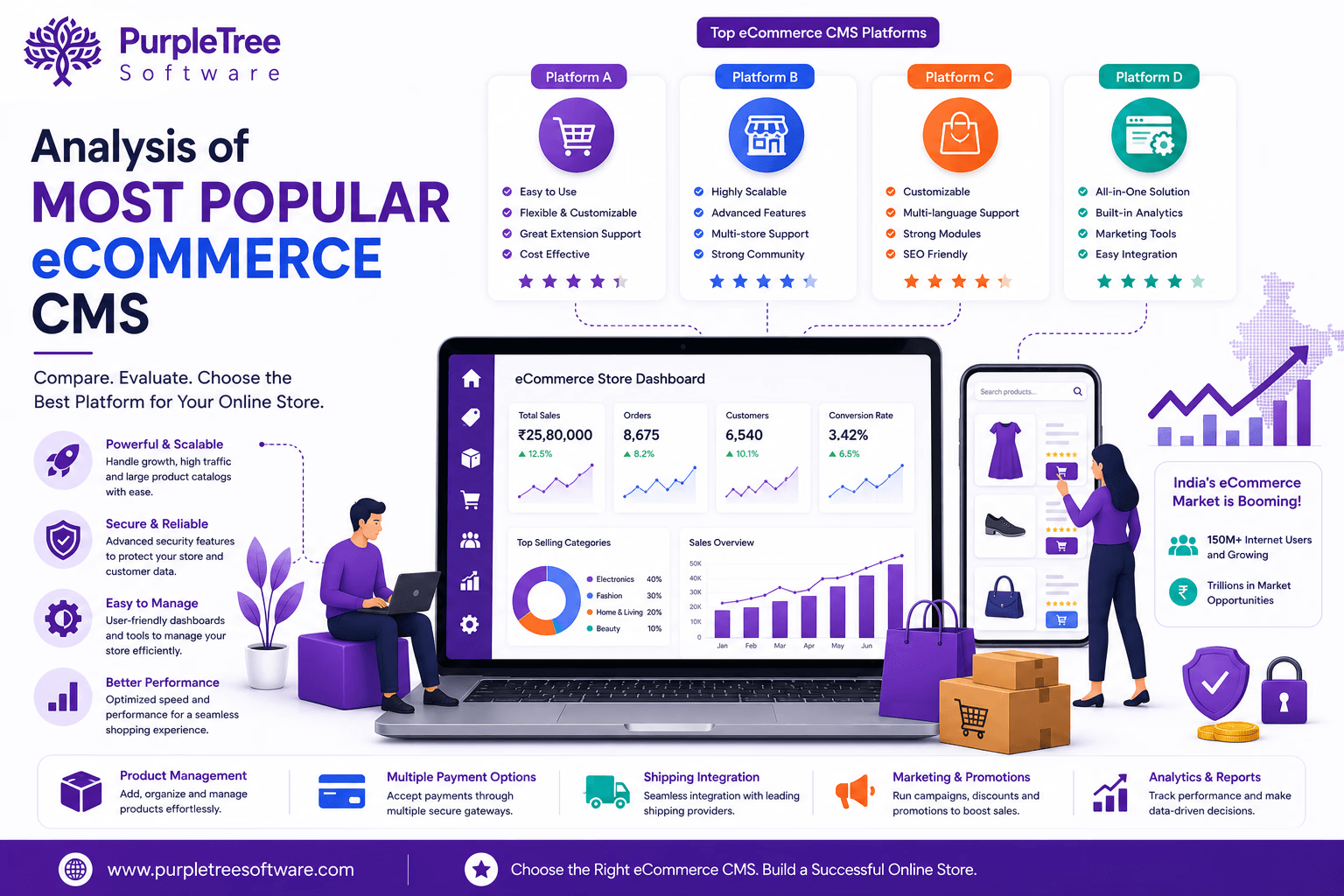
An eCommerce Content Management System (CMS) is a platform that enables businesses to create, manage, and operate online stores efficiently. A good eCommerce CMS provides tools for product management, order processing, inventory control, customer management, and marketing activities from a centralized dashboard.
Choosing the right CMS is one of the most important decisions for any online business because it directly impacts website performance, scalability, user experience, and long-term growth.

With the recent advancements in technology, all of the businesses are using internet as an effective marketing tool. The eCommerce CMS are offering a great help to the businesses for all their promotions and marketing on internet. The CMS or Content Management Systems have become very popular in the industry as these systems can offer a reliable way to manage an ecommerce site.
If you are planning to start en ecommerce site, selection of the right ecommerce CMS platform is extremely important as selection is the key to achieve the required level of reliability and convenience.
It is extremely important that the CMS you choose for your site should be capable enough to execute the desired functions in a proper way. Here we will analyze some of the most popular ecommerce CMS so that you can select the most suitable one for your site and can achieve the required goals with ease and convenience.
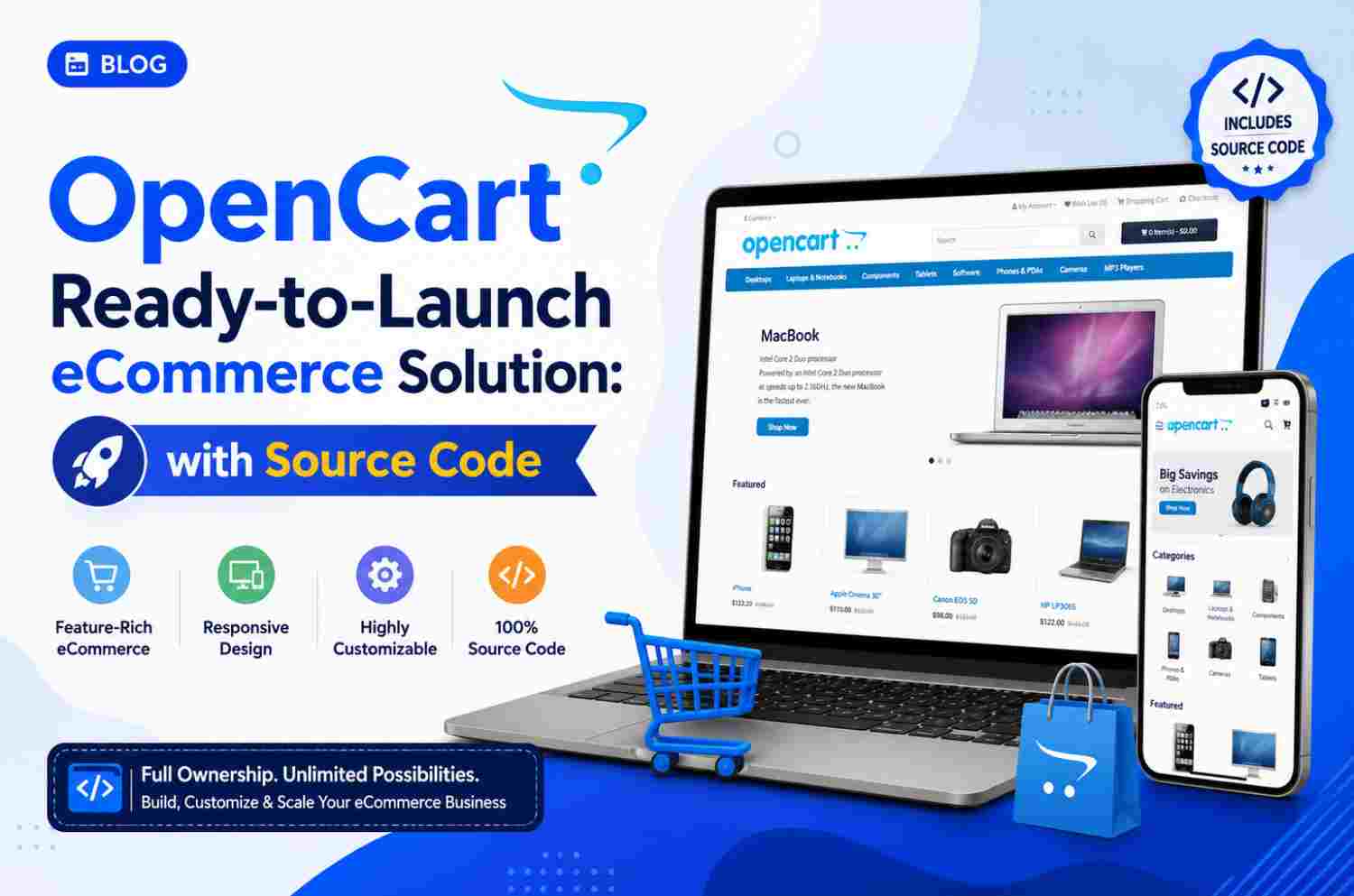
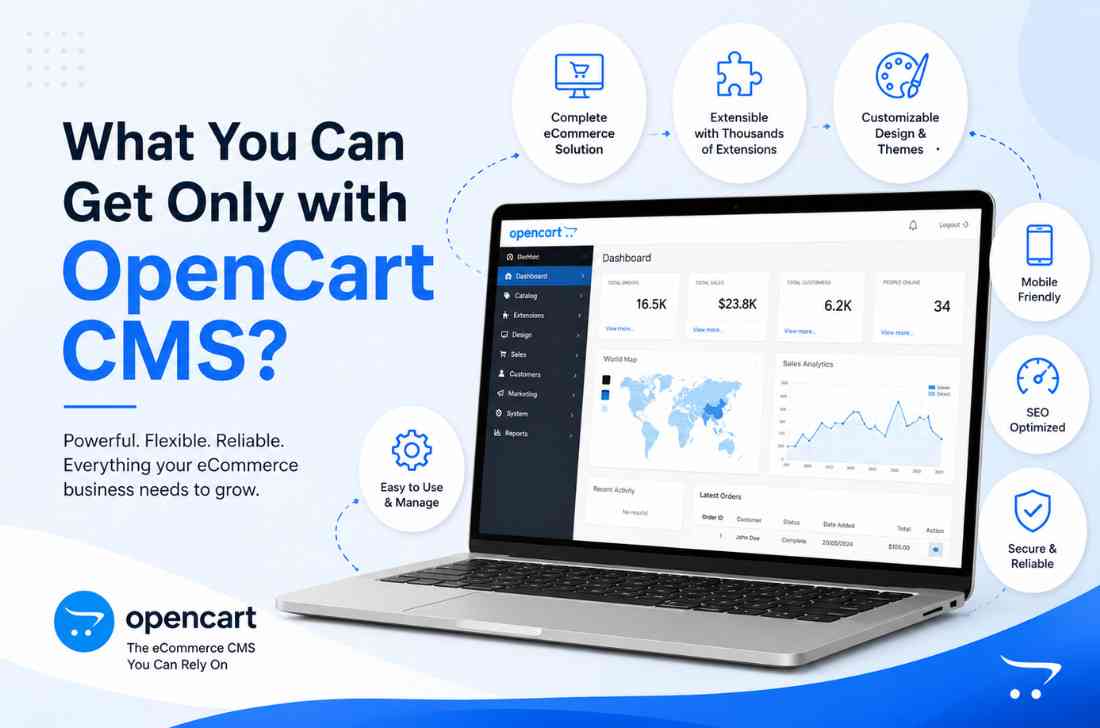
OpenCart
It is one of the best ecommerce platforms available in free source category. It has various advantages to offer the users. Some of the unique features of OpenCart are:
- It has a well-designed admin area that is extremely helpful to track the inventory and sales of a site.
- It is a free source CMS and many developers are working on it to make it more effective and easy to implement and manage.
- It allows various gift vouchers and coupons that is an impressive way to attract higher numbers of customers to your site.
- It is a flexible and powerful tool that can offer the best results for small to medium sized businesses.
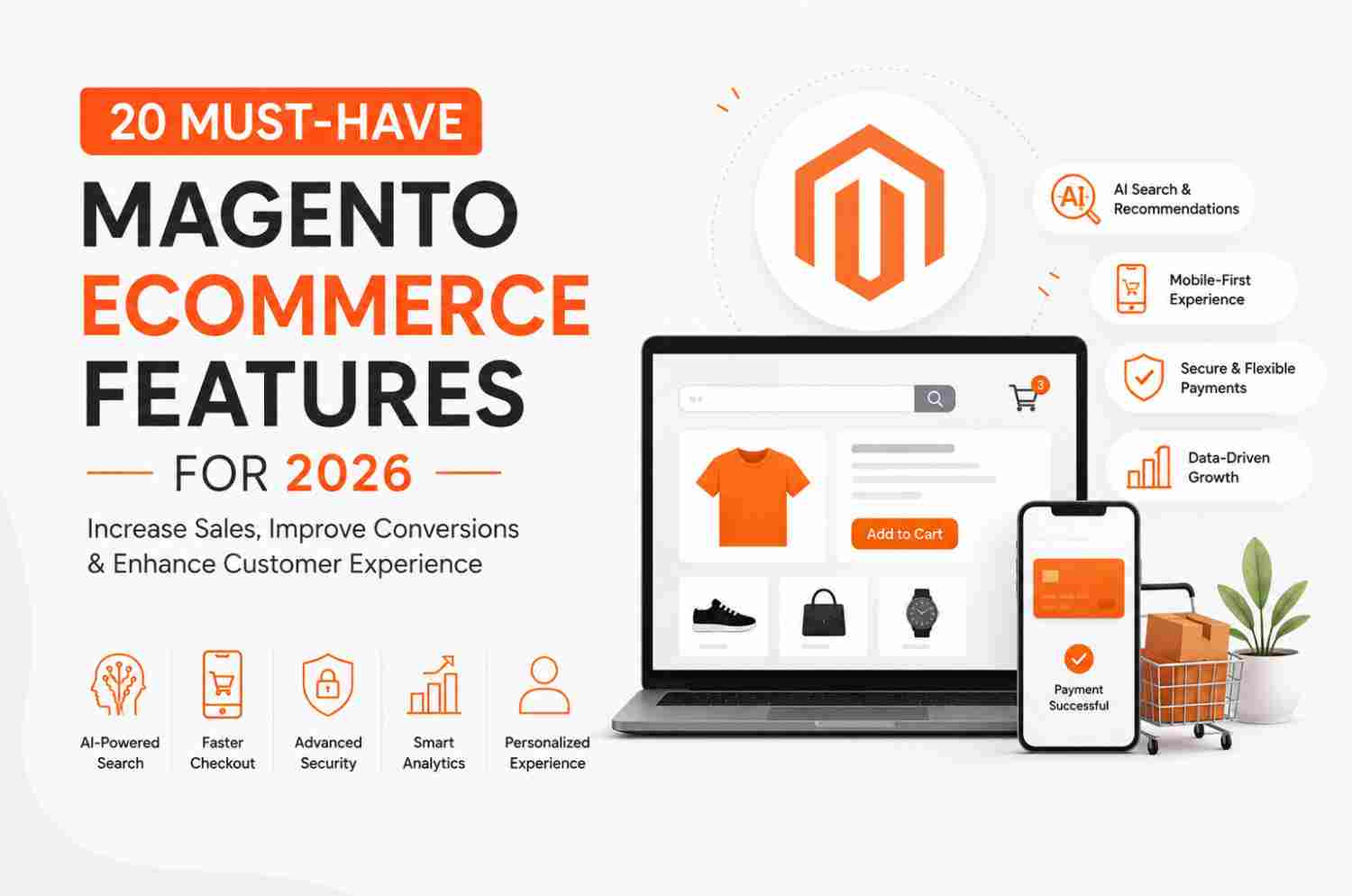
Magento
It is another impressive Content Management System for ecommerce sites that is growing very fast. There are various ecommerce sites that are using Megneto. Some of its impressive features are:
- It is a free source CMS which means that you don’t have to pay anything to use it.
- It has a great user-interface that offers a great help to the users to manage their content.
- It is a flexible ecommerce platform that offers you the liberty of managing multiple sites, more than 50 payment gateways and integration of Google Website Optimizer.
Business Catalyst
If you want to create a typical ecommerce site, Business Catalyst can be an ideal choice for you. It can be a great choice for small to large businesses.
- It is more user friendly and reliable that helps in managing the content of the site with great convenience.
- It has a dedicated CMS application to offer that is powerful enough to handle any forums, shopping carts and blog_post effectively.
- It is very convenient to track all of your customer activities and site visits through the easily understandable analytics.
PrestaShop
It is another open source CMS that is available for free. It has to offer variety of impressive features to the users.
- You can enjoy the full control on your inventory with PrestaShop in a convenient way.
- It can help you to customize your online store at any time and manage your customer based subscriptions in a better way.
- It can send all of your payments directly to your PayPal or bank account as you may like.
As you can see each platform brings its own advantages. You may use any of these based on your needs.
Key Factors to Consider When Selecting an eCommerce CMS
Ease of Use
A user-friendly interface helps store owners manage products, orders, customers, and promotions without requiring advanced technical knowledge.
Look for features such as:
- Intuitive administration panel
- Simple product management
- Easy order processing
- Quick content updates
Scalability
As your business grows, your CMS should be capable of handling:
- Increased website traffic
- Larger product catalogs
- More customer accounts
- Higher transaction volumes
A scalable platform reduces the need for costly migrations in the future.
Security
Online stores process sensitive customer and payment information. Security should always be a top priority.
Essential security features include:
- SSL compatibility
- Secure payment gateway integrations
- Regular security updates
- User permission management
- Fraud prevention mechanisms
Comparing Popular eCommerce CMS Platforms
OpenCart
OpenCart remains one of the most popular open-source eCommerce solutions for small and medium-sized businesses.
Advantages of OpenCart
- Lightweight and fast performance
- Easy installation and management
- Large marketplace of extensions
- Affordable implementation costs
- User-friendly administration panel
Best Suited For
- Startups
- Small businesses
- Growing online stores
Magento
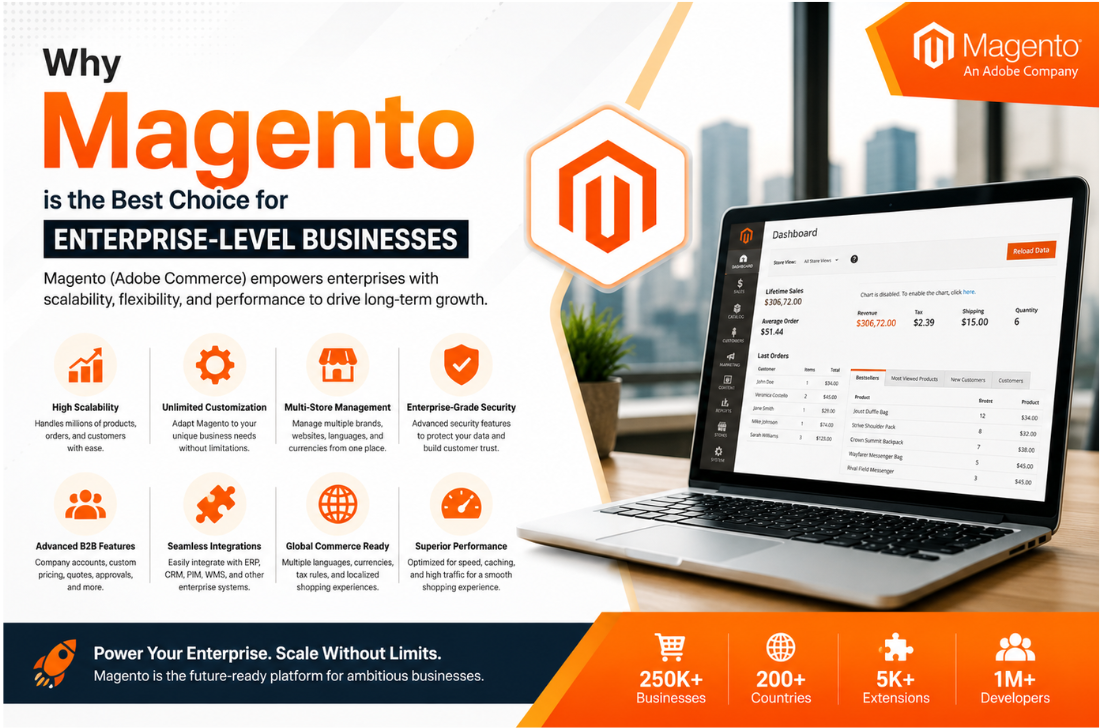
Magento is known for its enterprise-level capabilities and extensive customization options.
Advantages of Magento
- Highly scalable architecture
- Advanced product management
- Multi-store functionality
- Extensive customization possibilities
- Large developer ecosystem
Best Suited For
- Large enterprises
- High-volume online stores
- Complex eCommerce operations
PrestaShop
PrestaShop provides a flexible and feature-rich solution for businesses looking for greater control over their online stores.
Advantages of PrestaShop
- Open-source flexibility
- Strong inventory management
- Multi-language support
- Extensive theme and module ecosystem
- Customizable storefronts
Best Suited For
- International businesses
- Medium-sized online stores
- Businesses requiring customization
Business Catalyst
Business Catalyst was designed to simplify website and eCommerce management through an integrated platform.
Advantages of Business Catalyst
- All-in-one website management
- Built-in analytics
- Easy content updates
- Marketing and CRM capabilities
- Simplified administration
Best Suited For
- Service-based businesses
- Small to medium organizations
- Users seeking an integrated solution
Importance of Mobile Commerce Support
Modern consumers increasingly shop through mobile devices. A reliable eCommerce CMS should provide:
Responsive Design
Stores should automatically adapt to smartphones, tablets, and desktops.
Mobile Checkout Optimization
Fast and simple checkout experiences help reduce cart abandonment rates.
Performance Optimization
Mobile users expect quick loading pages and smooth browsing experiences.
SEO Capabilities of Modern eCommerce CMS Platforms
Search engine optimization is critical for attracting organic traffic and increasing online visibility.
Important SEO features include:
- Search engine friendly URLs
- Custom meta tags
- XML sitemap generation
- Structured data support
- Fast website performance
Platforms that offer strong SEO functionality help businesses improve rankings and generate more traffic from search engines.
Third-Party Integrations and Extensions
An effective eCommerce CMS should integrate seamlessly with:
- Payment gateways
- Shipping providers
- CRM systems
- Marketing tools
- Accounting software
The availability of extensions and integrations allows businesses to expand functionality as their requirements evolve.
How to Choose the Best eCommerce CMS for Your Business
Selecting the right platform depends on several factors:
Budget
Determine your development, hosting, and maintenance budget before choosing a platform.
Business Size
Small businesses may benefit from lightweight platforms, while larger organizations often require enterprise-level solutions.
Technical Requirements
Consider the complexity of your products, workflows, integrations, and customization needs.
Future Growth Plans
Choose a platform that can scale alongside your business without requiring a complete rebuild.
Frequently Asked Questions
Which eCommerce CMS is best for small businesses?
OpenCart and PrestaShop are often preferred by small businesses because they offer affordability, flexibility, and ease of use.
Is Magento suitable for enterprise stores?
Yes. Magento is designed for large-scale businesses requiring advanced functionality and extensive customization.
Why is SEO important for eCommerce CMS platforms?
SEO helps online stores attract organic traffic, improve search rankings, and increase sales opportunities.
Can an eCommerce CMS support multiple payment gateways?
Most modern eCommerce platforms support multiple payment providers through built-in integrations or extensions.
Conclusion
The most popular eCommerce CMS platforms each offer unique advantages depending on business requirements. OpenCart provides simplicity and affordability, Magento delivers enterprise-level power, PrestaShop offers flexibility, and Business Catalyst focuses on integrated website management. The ideal choice depends on your budget, business goals, technical requirements, and future growth plans. Careful evaluation of these factors will help you select the right CMS and build a successful online store.