

E-commerce in India is booming, with very strong growth over the past three years and, this year, the sector’s performance will be no different. It is very important that Indian E-stores should accompany the growth to understand market trends and make sure the maximum growth of their E-business.
In order to manage an E-commerce store it is important to understand the current situation of the domestic market, so that it is possible to develop these data using efficient and flexible strategies according to the trends of the digital market. It is a basic requirement to understand and track the investment trends and revenues by sectors in the national e-commerce for developing an efficient E-commerce planning.
The product and market success factors related to the rise of E-commerce marketplaces in India include the proper strategy and appropriate selection of products, finding the products that fit the buyer’s profile and much more. The ability to understand and estimate and predict market demand and market segmentation, however, is always important.
It is also the innovation in the field of E-commerce web design helped the Indian E-market to exhibit the goods in an appealing way and guarantee the availability of the same for sale. The ability of the sites to offer high value-added services for customers, on delivery of the products, promoting and obtaining trademark recognition helped them to improve a lot in this field. Some of these sites integrated traditional and virtual business structures and strategies that compensate the risk taken by an online buyer to purchase a product.
What was really challenging for these E-commerce websites were to lower the fear associated with online purchases. The profitability needs to be very well cared because the margins usually are low; ability to operate with good suppliers and partners; ability to entertain mass customization and operation (demand-> production), when markets require customization are also important.
One of the major factors that contribute the success of an E-commerce website in India is the price. The “infibeam” is an example of a company that, even if it has the best infrastructure for electronic commerce in India, always offer a very competitive price to their customers.
Nowadays, Indian E-commerce websites offer several means of payment, for the ease of purchase, including the combination of various payment modes for the same purchase, allowing buyers to pay in their preferred mode. Another important factor that decided the future of E-commerce in India is the ability to identify and treat bad debtors and repudiation efficiently, which limit risks, and kept the buyers.
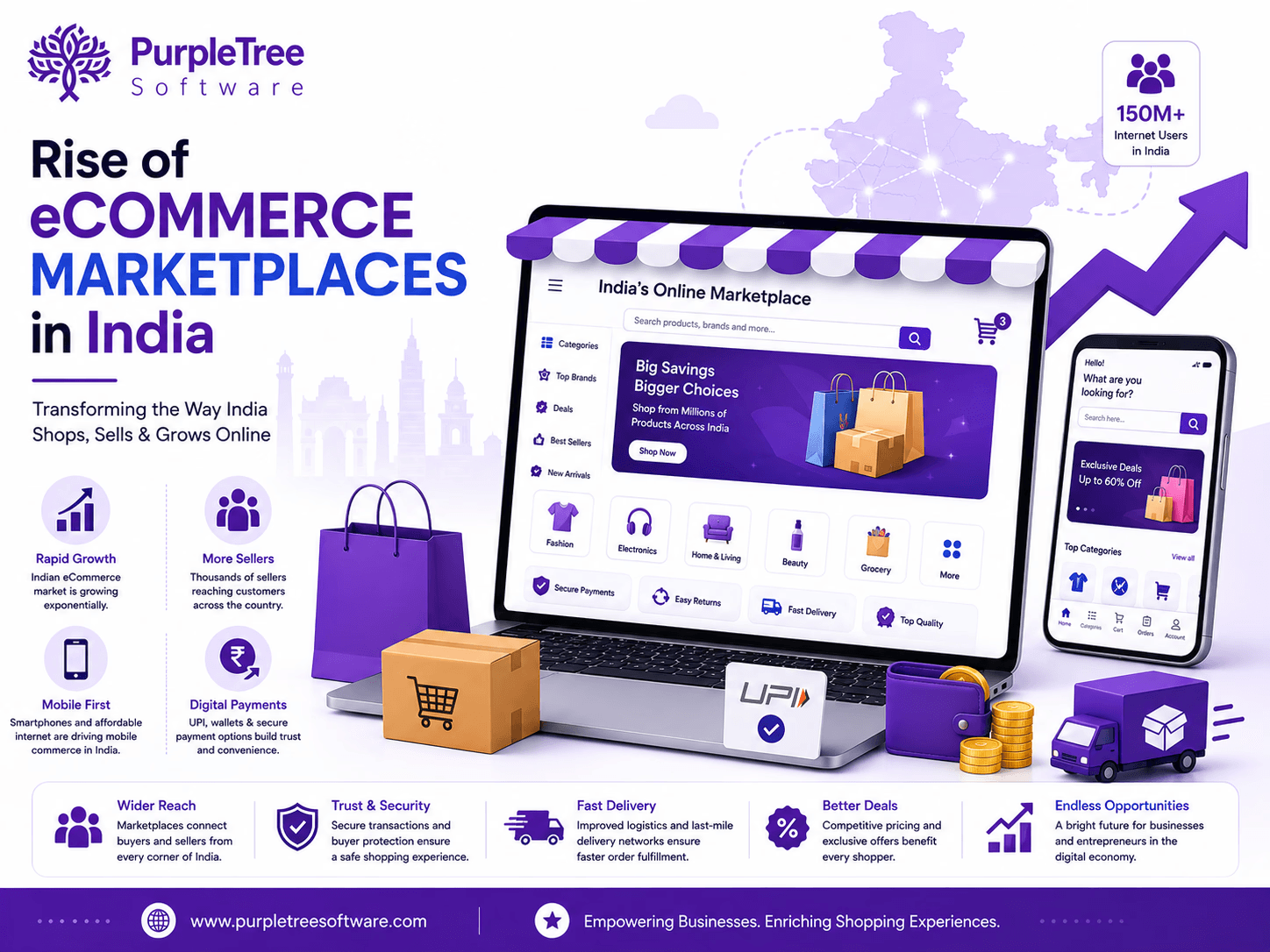
The organizational structure is an important element of the success for e-commerce websites in India. There are companies that maintain separate and independent structures for traditional and electronic retail. There are other companies that maintain fully integrated structures. Language is often a challenge for Indian E-stores, nowadays, some websites begin to offer their services in multiple Indian languages other than English. India has more than 150 million internet users, this certainly ensures the future E-commerce marketplaces in India.
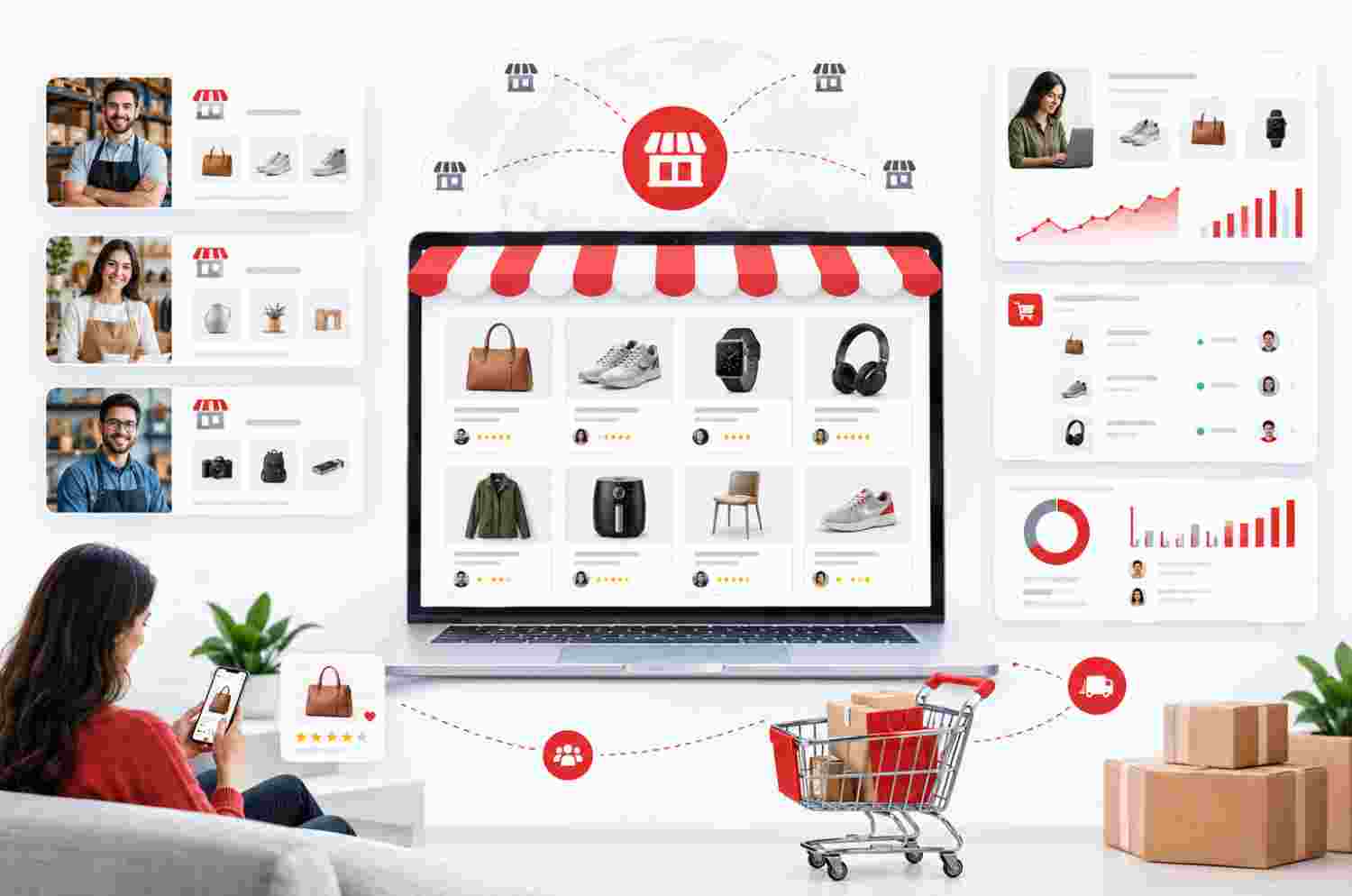
The Rapid Growth of eCommerce Marketplaces in India
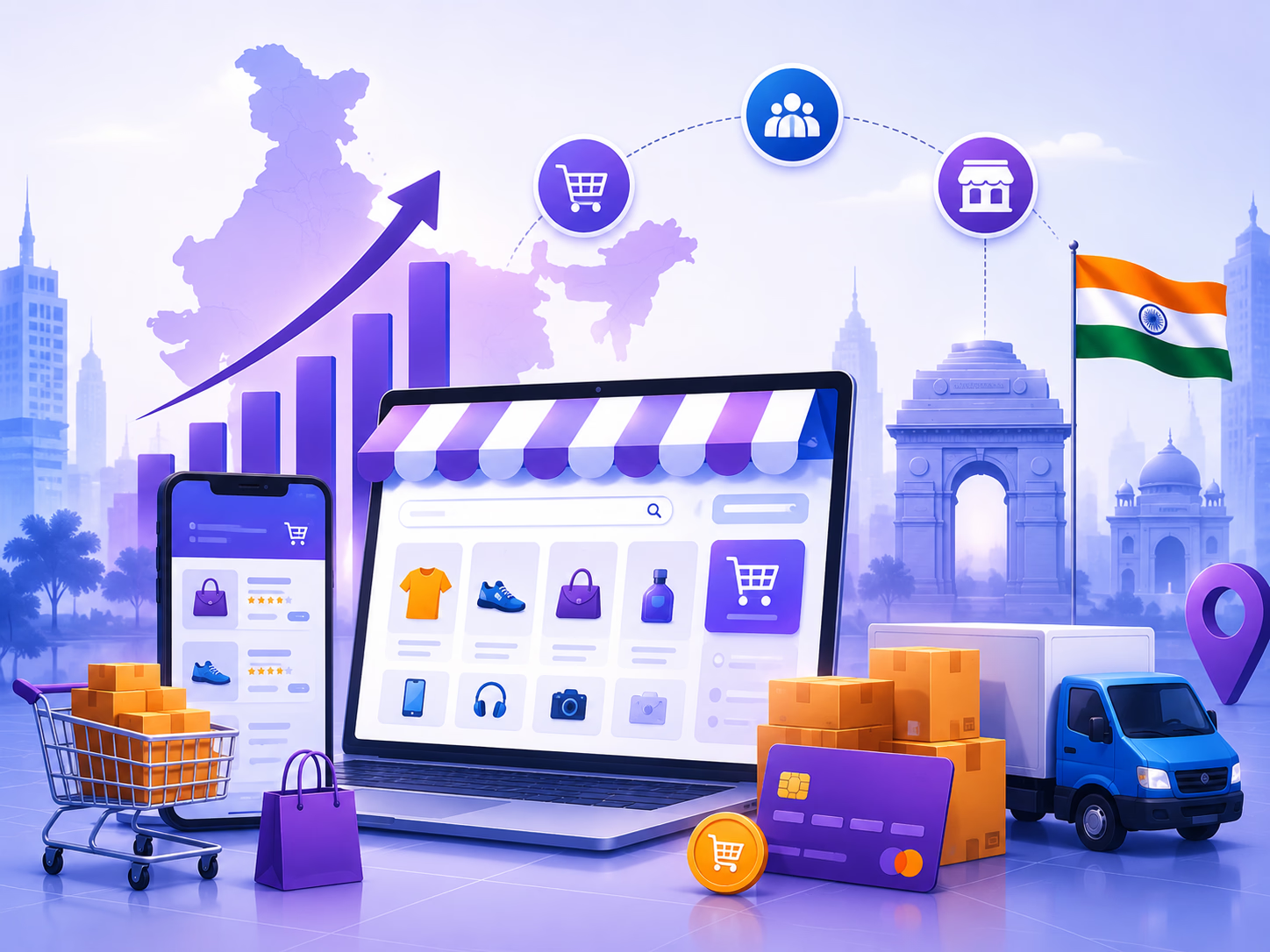
India has emerged as one of the fastest-growing digital economies in the world. Increased internet penetration, affordable smartphones, improved logistics networks, and growing consumer confidence have contributed significantly to the rise of eCommerce marketplaces across the country.
Today, millions of consumers prefer online shopping because it offers convenience, competitive pricing, product variety, and easy delivery options. This transformation has created tremendous opportunities for businesses looking to expand their reach through online marketplaces.
Key Factors Driving eCommerce Growth in India
Expanding Internet Connectivity
The availability of affordable mobile data has dramatically increased internet usage across urban and rural India. More consumers are now connected online than ever before, creating a larger audience for digital commerce platforms.
Benefits include:
- Increased online shopping adoption
- Higher digital engagement
- Improved accessibility in smaller cities
- Growing customer base for online sellers
Smartphone Revolution
Mobile devices have become the primary gateway to online shopping for many Indian consumers.
Modern eCommerce platforms are increasingly optimized for:
- Mobile browsing
- One-click purchasing
- Mobile payment systems
- Personalized shopping experiences
This mobile-first approach has accelerated the growth of online marketplaces throughout the country.
Digital Payment Adoption
The growth of secure digital payment systems has significantly boosted consumer confidence in online transactions.
Popular payment methods include:
- UPI payments
- Mobile wallets
- Credit cards
- Debit cards
- Net banking
- Buy Now Pay Later (BNPL) solutions
These payment options make online shopping faster and more convenient for customers.
Advantages of eCommerce Marketplaces
Wider Product Availability
Marketplaces connect multiple sellers on a single platform, allowing customers to choose from a broad range of products and price points.
Competitive Pricing
Healthy competition among sellers often leads to better pricing and attractive offers for consumers.
Convenience and Accessibility
Customers can browse products, compare options, read reviews, and complete purchases from anywhere at any time.
Increased Business Opportunities
Small and medium-sized businesses can access nationwide and international markets without investing heavily in physical infrastructure.
Emerging Trends in Indian eCommerce
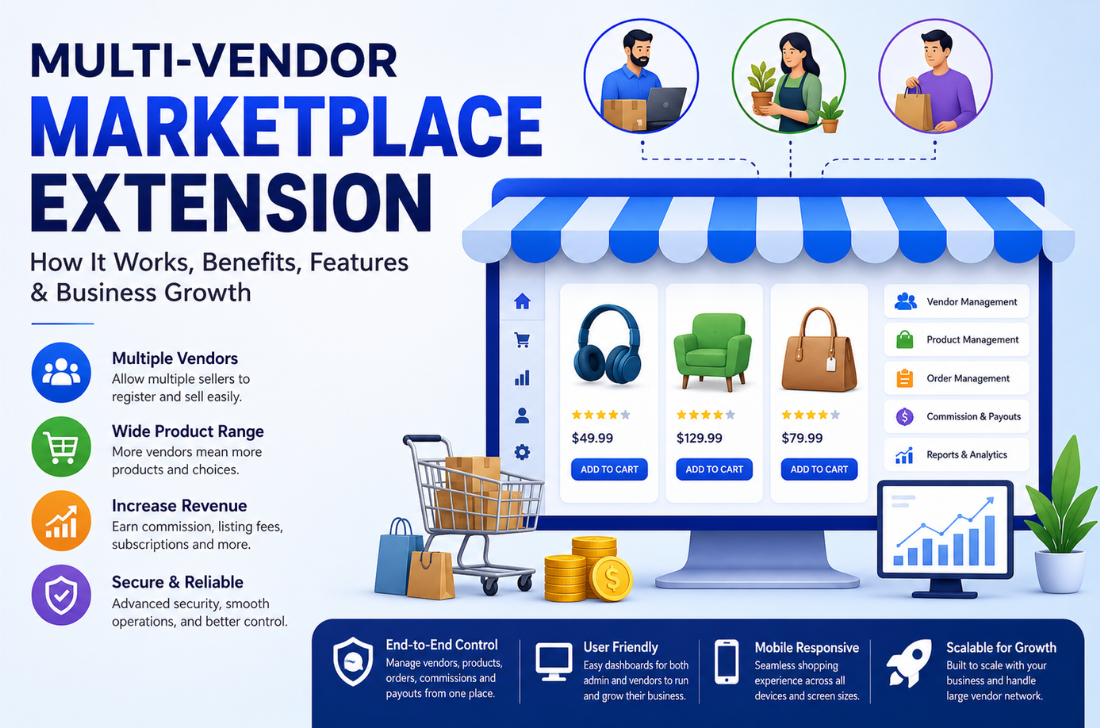
Rise of Multi Vendor Marketplaces
Multi vendor marketplace platforms continue to gain popularity because they offer scalability and diverse product offerings.
Benefits include:
- Multiple revenue streams
- Expanded product catalogs
- Faster business growth
- Better customer retention
Regional Language Support
To reach a broader audience, many eCommerce platforms now support multiple Indian languages, making online shopping more accessible across different regions.
AI-Powered Personalization
Modern marketplaces use artificial intelligence to deliver:
- Personalized recommendations
- Product suggestions
- Customized promotions
- Enhanced customer experiences
These technologies help improve engagement and increase conversions.
Social Commerce Integration
Social media platforms are increasingly influencing purchasing decisions. Businesses now integrate social commerce strategies to connect directly with customers and drive sales.
Challenges Facing eCommerce Marketplaces
While growth opportunities remain strong, businesses must also address challenges such as:
Logistics and Delivery Management
Efficient supply chain management remains critical for customer satisfaction.
Customer Trust and Security
Marketplaces must invest in secure payment systems and fraud prevention measures to maintain customer confidence.
Intense Competition
As more businesses enter the digital marketplace, companies must differentiate themselves through better customer experiences, pricing, and service quality.
Future of eCommerce Marketplaces in India
The future of Indian eCommerce remains extremely promising. Continued advancements in technology, digital infrastructure, logistics, and payment systems are expected to fuel further growth.
Key opportunities include:
- Expansion into rural markets
- Increased mobile commerce adoption
- Faster delivery networks
- AI-driven customer experiences
- Greater marketplace automation
Businesses that embrace innovation and customer-centric strategies will be well-positioned to capitalize on the growing digital economy.
Why Businesses Should Invest in eCommerce Marketplaces
Companies that establish an online presence today gain access to a rapidly expanding customer base.
Advantages include:
- Lower operational costs
- Nationwide market reach
- Better customer engagement
- Data-driven decision making
- Increased sales opportunities
As consumer behavior continues shifting toward online purchasing, eCommerce marketplaces provide a powerful platform for sustainable business growth.
Frequently Asked Questions
What are eCommerce marketplaces?
eCommerce marketplaces are online platforms where multiple sellers offer products and services to customers through a single website or application.
Why are eCommerce marketplaces growing in India?
Factors such as internet accessibility, smartphone adoption, digital payments, improved logistics, and changing consumer preferences have fueled marketplace growth.
How do marketplaces benefit small businesses?
Marketplaces allow small businesses to reach larger audiences, reduce infrastructure costs, and access new sales opportunities.
What is the future of eCommerce in India?
The future is expected to include increased mobile commerce, AI-driven personalization, regional language support, and deeper penetration into rural markets.
Conclusion
The rise of eCommerce marketplaces in India represents one of the most significant developments in the country's digital economy. Driven by technology adoption, growing internet usage, digital payments, and evolving consumer expectations, online marketplaces continue to reshape how businesses sell and how customers shop. Organizations that embrace these opportunities and invest in scalable eCommerce solutions can position themselves for long-term success in India's rapidly growing online retail landscape.