

Choosing a good framework for eCommerce website
Friday, 10 January 2014 | Written by Purpletree |
Generally speaking, the framework is the rudimentary structure of any object and website is no different. In the case of an E-commerce design developer, choosing a good framework for an E-commerce website is the hardest part to decide. The truth is that it is the framework that decides the future of the website, in terms of maintenance and cost. There are websites that spend lots of money to maintain a website due to the poor framework. At the same time, it is also difficult to find a web designer who is used to all the available framework for E-commerce sites. However, if you are choosing a company, then you will have the possibility to discuss with them about various aspects of choosing a good framework for your E-commerce website. An experienced web development company generally has lots of experienced programmers and site developers to manage different types of platforms.
In the case of small and medium-sized E-commerce sites, custom web design and framework is actually a waste of money. So, your bet is to choose an existing framework to facilitate the process of E-commerce website building. In order to make things easier here is a list of the best available framework for your E-commerce website. This list will help you find the best framework for E-commerce website.
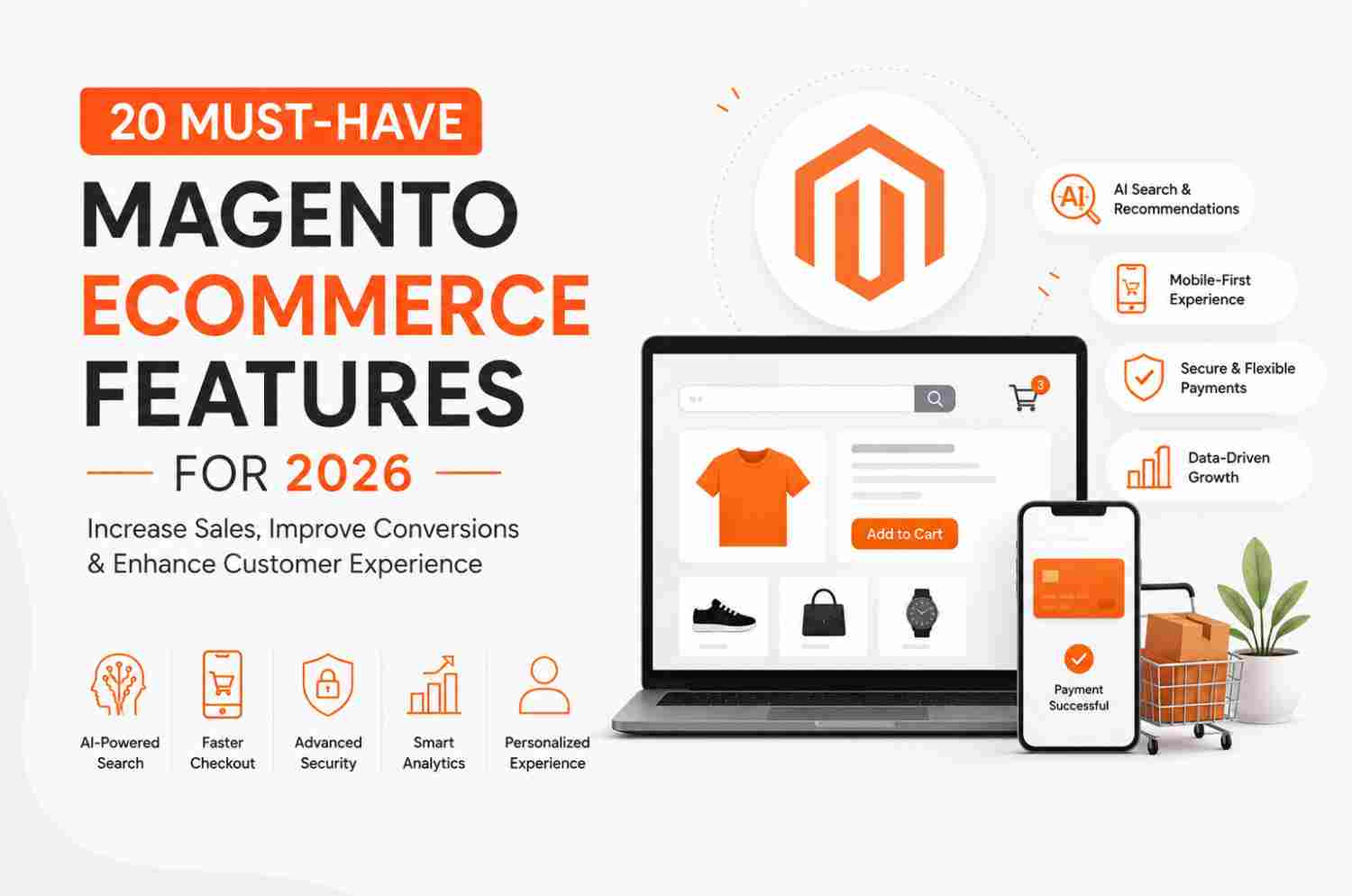
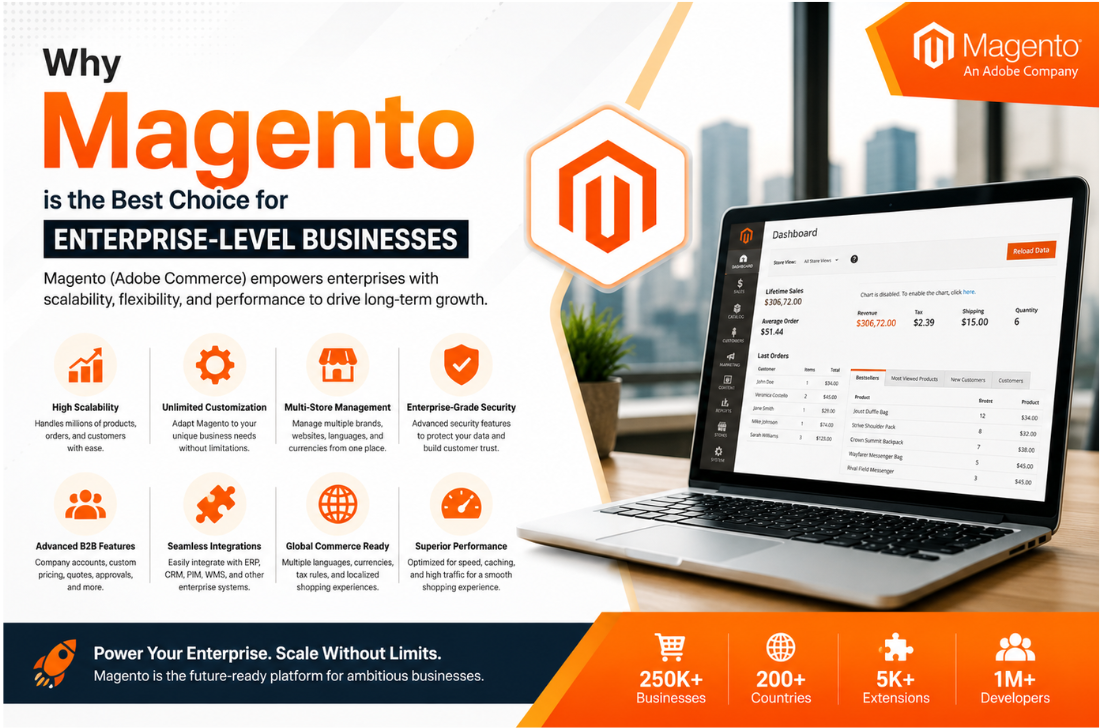
i. Magento: This platform is a flexible, scalable and feature-rich solution for online trading. It is an open source software that is used to develop an e-commerce platform, which will in turn transform your business into a profitable one. This software is perfect for large E-commerce projects and for those with specific needs. The software offers full control of the platform to the user. The customization possibilities are wide and product management is complete. In addition to this, Magento also offers advanced and sophisticated all plug-ins to help you enhance, improve and simplify the management of your online shop.
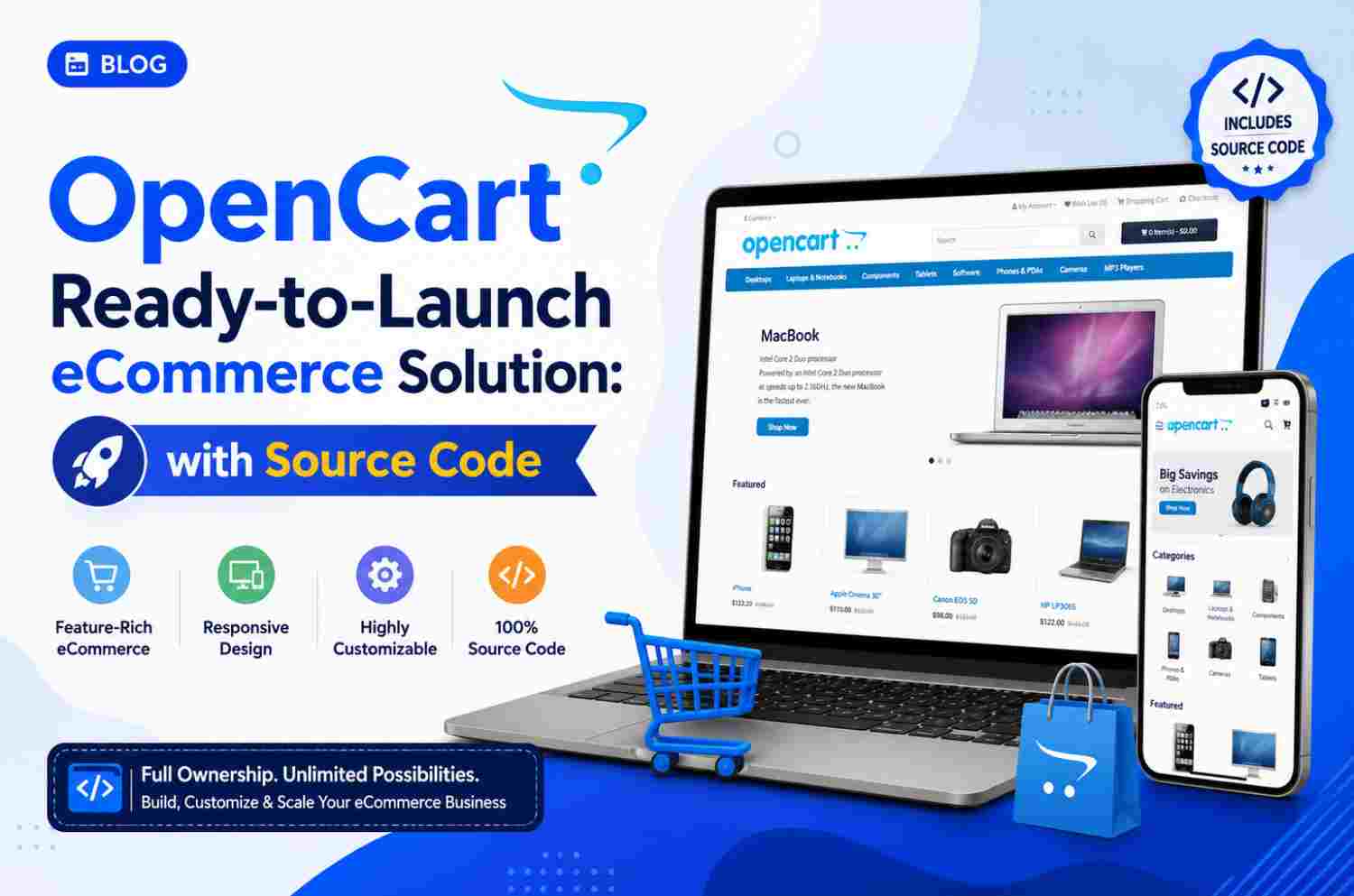
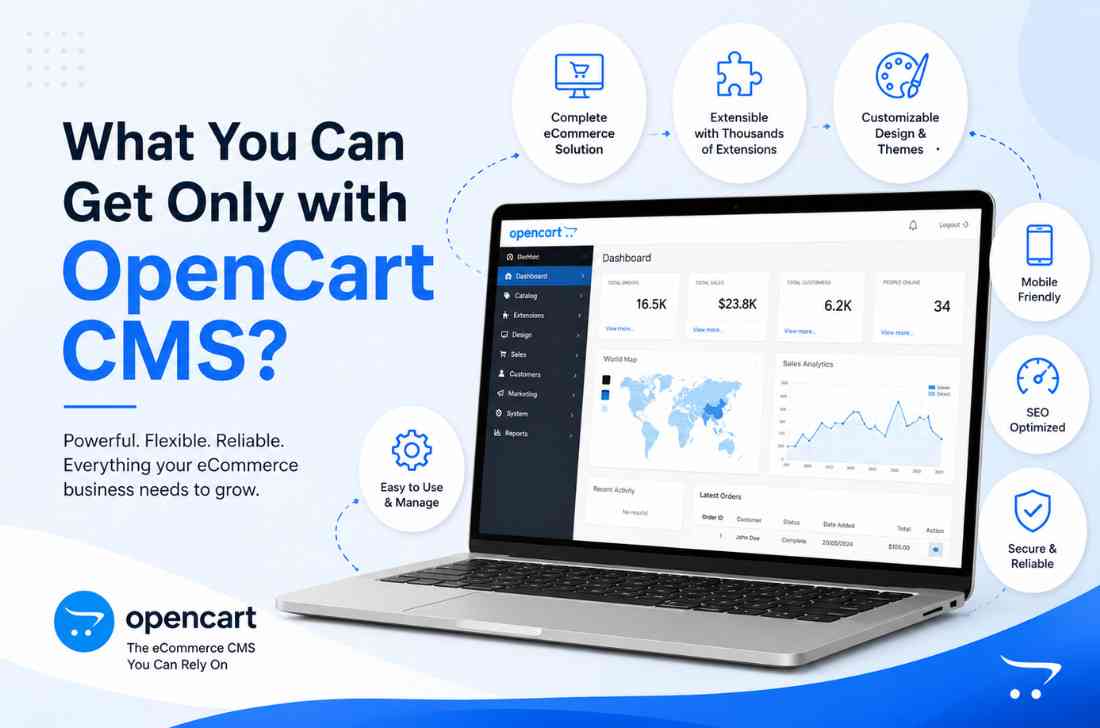
ii. OpenCart: This is a PHP- based open source product and highly recommended to anyone who runs E-commerce websites. OpenCart payments enable a smooth monetary transaction, in which even the credit card payment can be performed easily. The software strictly follows current safety regulations, to provide the user a high security. The OpenCart payment module is also offered at a fair price. Though the system is based on PHP, it is easy to install add-ons and templates.
iii. WordPress eCommerce: If you are developing a website using a WordPress open source framework, then it is good to look for plug-ins that offer excellent E-commerce solution. However, not all of them are reliable in terms of security. WooCommerce and WP e-commerce are the two active plug-ins among them.
iv. OsCommerce: offers tools to organize your E-commerce website. This framework is considered as one of the popular and most used payment solution for E-stores. Currently there are more than 260,000 sites use this solution for their website. It is also possible to install additional add-ons to improve the overall performance of the platform.
Each of these frameworks has their pros and cons, and none is audited for all kind of usage. However, it is easy to choose the best software for your e-commerce website development, based on the facts presented above.
Why Choosing the Right eCommerce Framework Matters
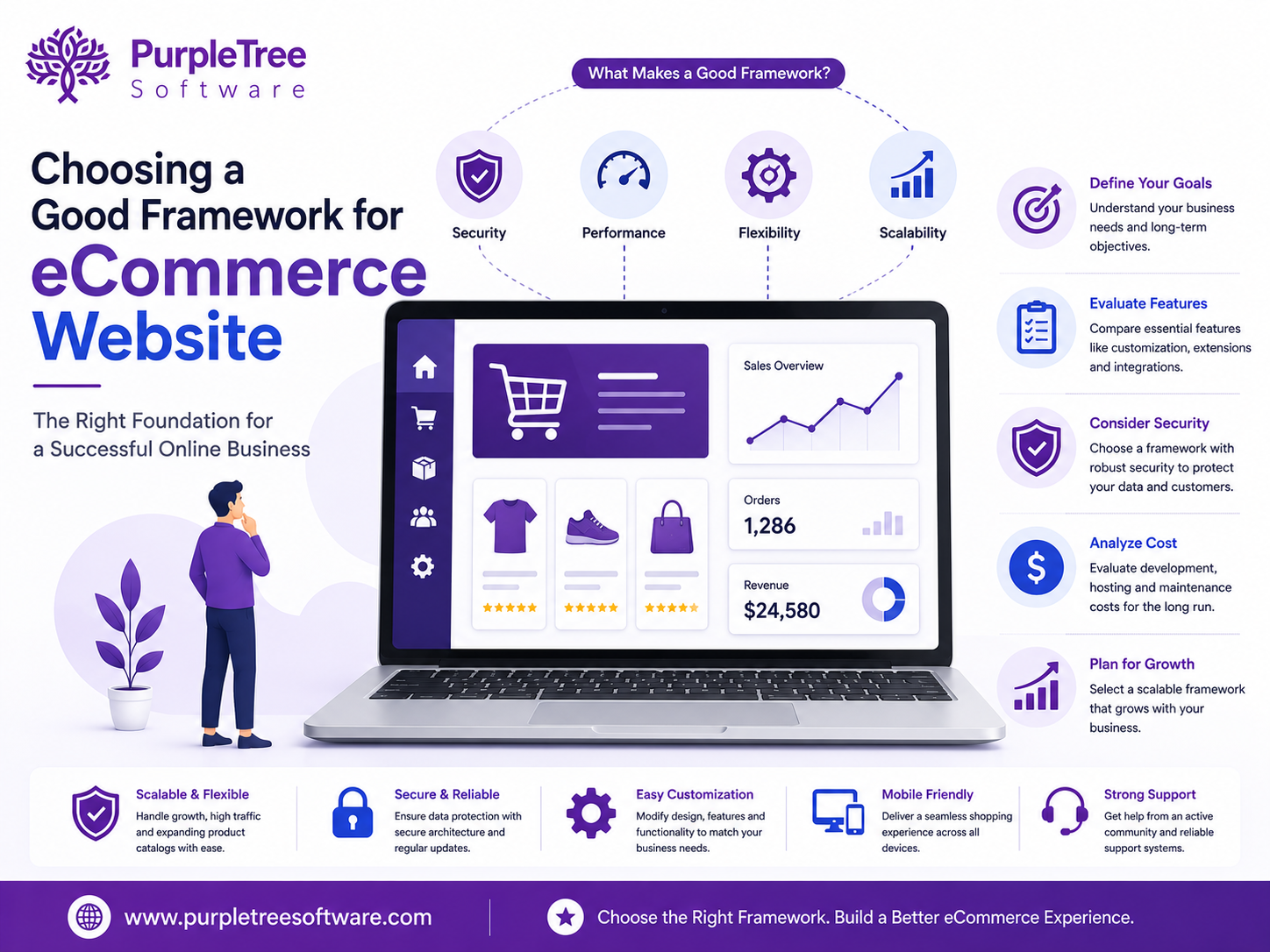
An eCommerce website framework serves as the foundation of your online business. The framework you choose impacts website performance, security, scalability, maintenance costs, and future growth opportunities. Selecting the right platform at the beginning can save significant time and money as your business expands.
A good framework should support your current business needs while remaining flexible enough to accommodate future requirements such as increased traffic, product expansion, and third-party integrations.
Key Factors to Consider When Selecting an eCommerce Framework
Scalability
As your online business grows, your website should be capable of handling increasing numbers of visitors, products, and transactions. A scalable framework ensures smooth performance even during high-traffic periods.
Consider platforms that offer:
- Flexible architecture
- Cloud hosting compatibility
- Advanced caching capabilities
- Database optimization
Security Features
Security is one of the most important aspects of any eCommerce website. Customers trust businesses with sensitive information such as payment details and personal data.
Look for frameworks that provide:
- Secure payment gateway integration
- SSL support
- Regular security updates
- User access controls
- Protection against common cyber threats
Ease of Customization
Every business has unique requirements. A framework should allow customization without requiring complete redevelopment.
A customizable platform enables:
- Custom themes and designs
- Additional modules and extensions
- Third-party integrations
- Business-specific workflows
Comparing Popular eCommerce Frameworks
Magento
Magento is well-known for its flexibility and enterprise-level capabilities. It is ideal for large businesses and stores with extensive product catalogs.
Advantages of Magento
- Highly scalable
- Advanced product management
- Extensive customization options
- Strong community support
- Large extension marketplace
Best Suited For
- Large online stores
- Enterprise businesses
- Complex eCommerce operations
OpenCart
OpenCart remains one of the most popular open-source eCommerce solutions due to its simplicity and affordability.
Advantages of OpenCart
- Easy installation
- User-friendly administration
- Lightweight architecture
- Large extension marketplace
- Cost-effective implementation
Best Suited For
- Small and medium businesses
- Startups
- Growing online stores
WooCommerce
WooCommerce is a powerful WordPress-based eCommerce platform that combines content management with online selling capabilities.
Advantages of WooCommerce
- Easy WordPress integration
- SEO-friendly structure
- Extensive plugin ecosystem
- Flexible customization
- Large developer community
Best Suited For
- Content-driven websites
- Small businesses
- Blogs with online stores
osCommerce
osCommerce has been a trusted solution for many years and continues to power numerous online stores worldwide.
Advantages of osCommerce
- Open-source flexibility
- Large community support
- Extensive add-on availability
- Proven marketplace stability
Best Suited For
- Businesses seeking traditional eCommerce solutions
- Custom development projects
Performance and Speed Considerations
Website speed directly impacts user experience and search engine rankings. A high-performing eCommerce framework should offer:
- Fast page loading times
- Optimized database performance
- Mobile responsiveness
- Efficient caching systems
Faster websites often experience higher conversion rates and lower bounce rates.
Mobile Commerce Compatibility
Mobile shopping continues to grow globally. Your chosen framework should support responsive design and provide a seamless shopping experience across all devices.
Essential mobile features include:
- Responsive layouts
- Mobile-friendly checkout
- Fast-loading product pages
- Optimized navigation
SEO Benefits of a Good eCommerce Framework
A modern eCommerce framework should include built-in SEO capabilities to help improve online visibility.
Important SEO features include:
- Search engine friendly URLs
- Meta tag management
- XML sitemap support
- Structured data compatibility
- Fast website performance
These features help online stores rank higher in search engine results and attract more organic traffic.
Future-Proofing Your Online Store
Technology evolves rapidly, and businesses should choose frameworks that continue to receive updates and community support.
A future-ready platform offers:
- Regular software updates
- Compatibility with modern technologies
- Active developer community
- Ongoing security improvements
This ensures your investment remains valuable for years to come.
Frequently Asked Questions
Which framework is best for a small eCommerce business?
OpenCart and WooCommerce are often excellent choices for small businesses due to their affordability, ease of use, and extensive feature sets.
Is Magento suitable for startups?
Magento can be used by startups, but it is generally better suited for larger businesses due to its complexity and resource requirements.
Why is scalability important in an eCommerce framework?
Scalability allows your website to handle increased traffic, products, and orders as your business grows without performance issues.
Can I switch frameworks later?
Yes, but migration can be complex and costly. Choosing the right framework initially can help avoid future redevelopment expenses.
Conclusion
Choosing a good framework for an eCommerce website is one of the most important decisions in the development process. Whether you select Magento, OpenCart, WooCommerce, or another platform, your choice should be based on business goals, budget, scalability requirements, and long-term growth plans. A well-chosen framework provides a strong foundation that supports security, performance, customer experience, and future success in the competitive eCommerce landscape.