

Choosing a solid backend for eCommerce mobile application
.png)
Tuesday, 20 January 2015 |Written by Purpletree |
Have you decided to design a mobile app for selling your stuff through smartphones? If yes, then one of the critical decisions to take is to choose the right backend software, a shopping cart. This is because the software you choose shall be the foundation of the app and shall not likely be replaced in the future.
Most business owners have the misconception that one has to invest thousands of dollars in buying the right shopping cart. However, this is no longer required because of the plenty of open source software packages available for carts.
Why Choose Open Source Packages?
Open source packages are free and highly customizable. This fusion is perhaps the biggest selling point of these fully featured shopping cart packages. You are free to customize the source code to add as many functionalities as you need, which is quite pleasing to those who consider trial and error as fun and unique utilities as a priority. What is nicer about using an open source cart is that you no longer have to follow the rules and regulations of a specific service provider or company.
If the base cart lacks some features, the open source community offers it as an already developed plug-in that does what you want. In fact, the development community offers a wealth of such utilities to choose from, which is certainly pleasing to small businesses on a strict budget. Even if you are unaware of programming skills, the forums can get you started and run the shopping cart quite quickly.
Which Open Source Package to Choose?
Because there are many open source packages available, it can get confusing to choose the right one. However, the key here is to choose the one as per your requirements. To simplify your selection task, here are a few quality carts chosen as per their features, functionality, and community support.
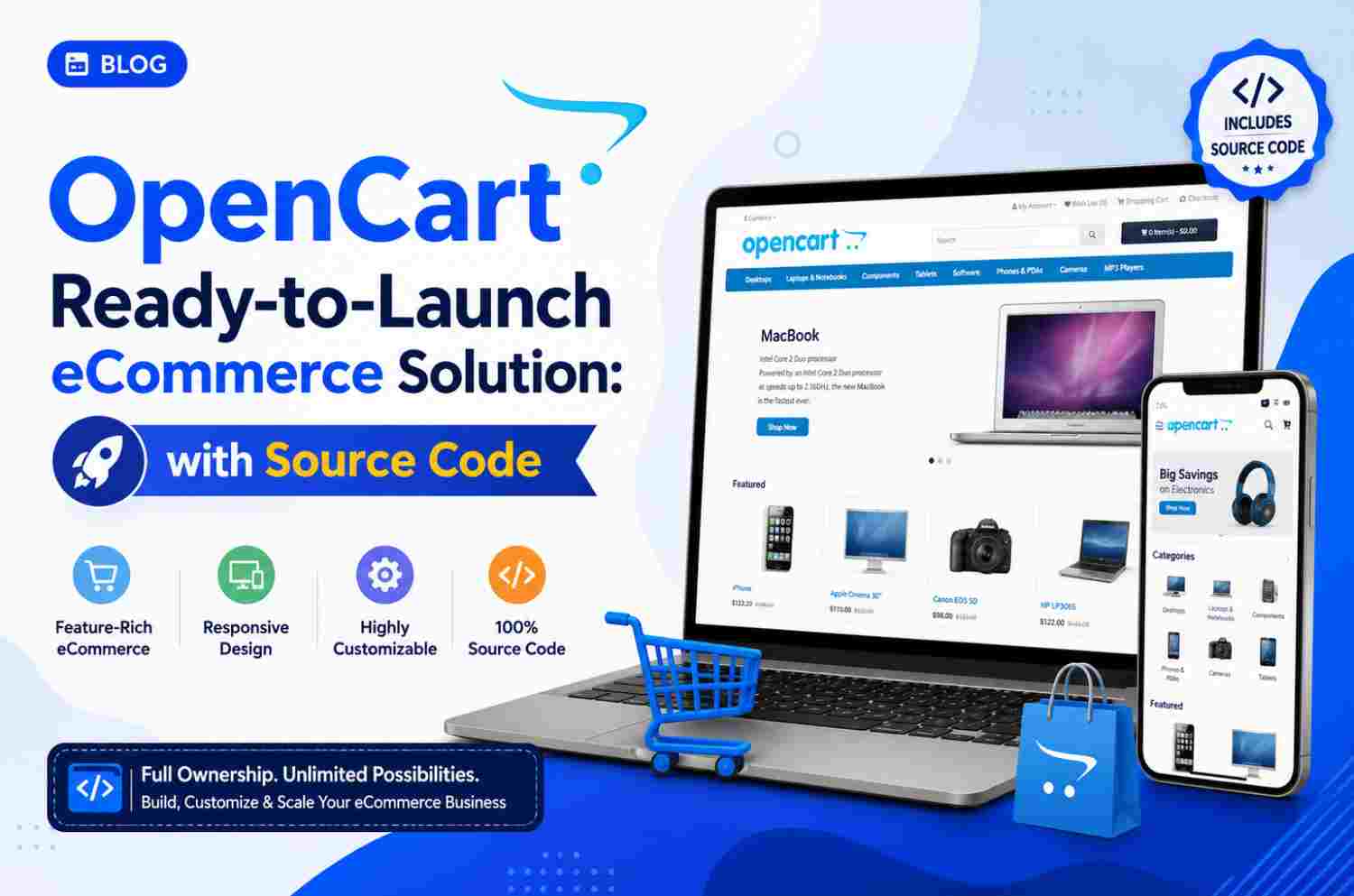
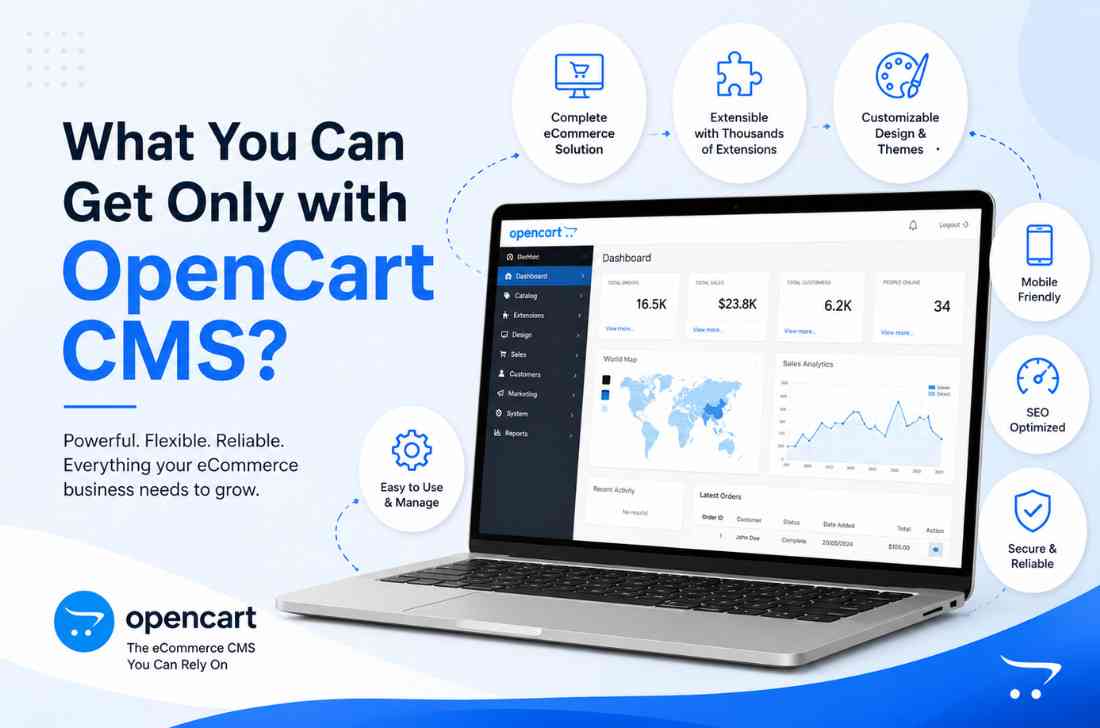
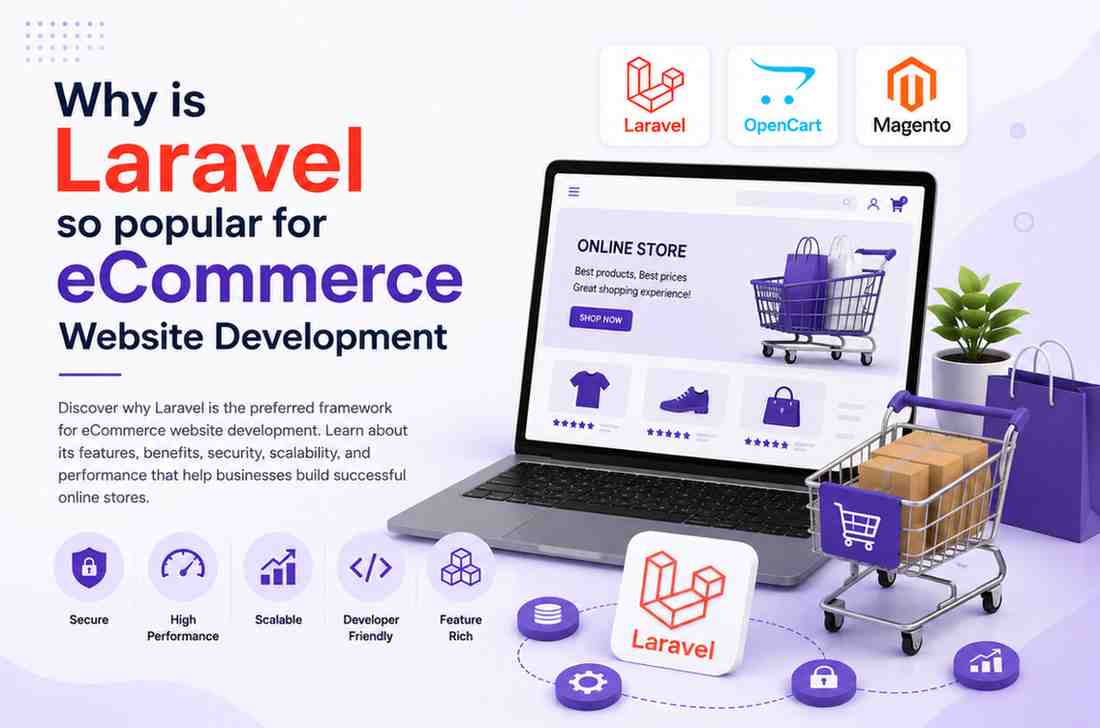
OpenCart: Is easy to install and use, modern in feel, and fast in operation. It has features to manage a standard store but lacks many bells and whistles that other packages offer. Its backend interface is intuitive and simple. The community comprises of independent developers and companies active in creating and sharing templates and themes.
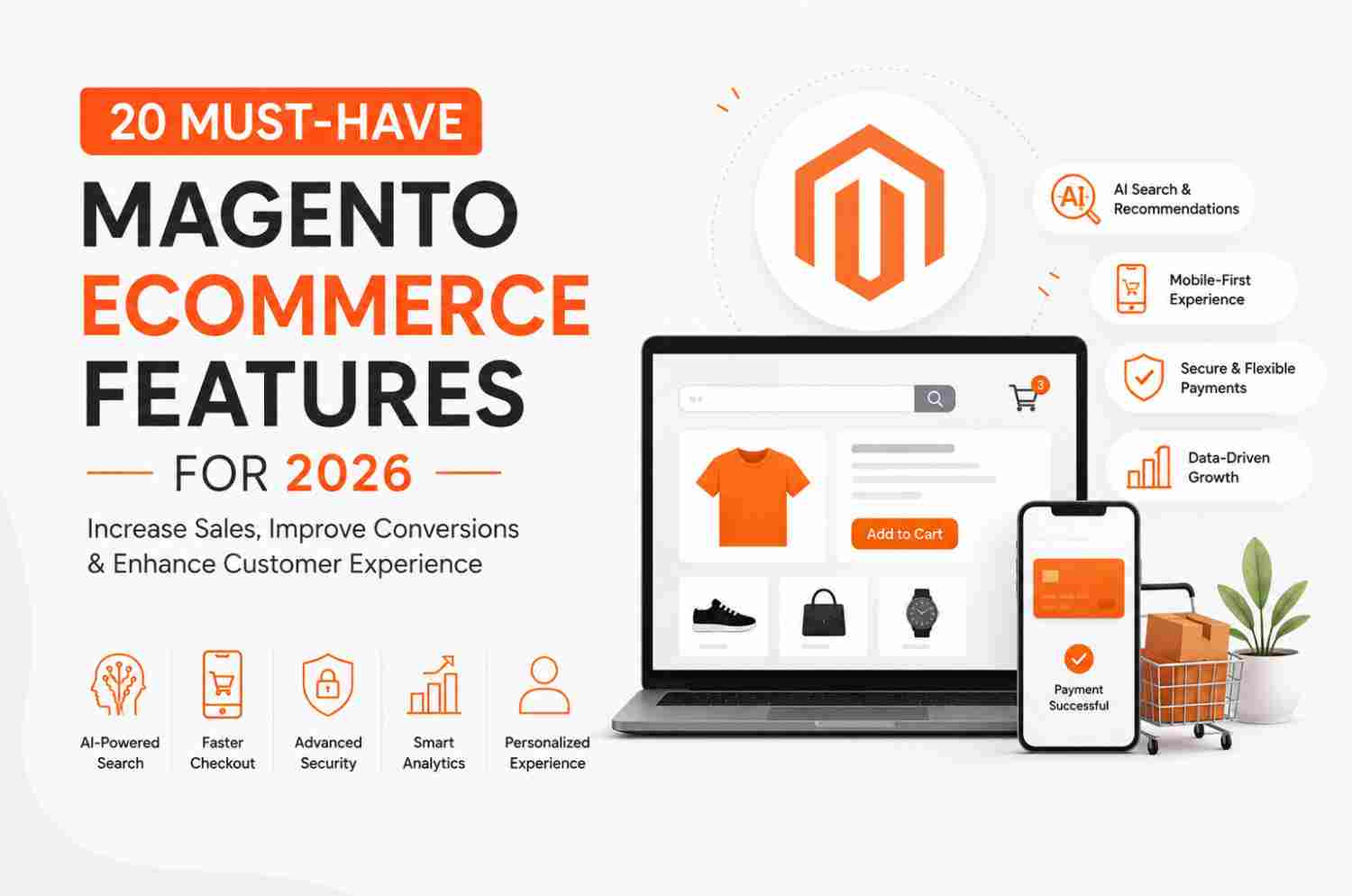
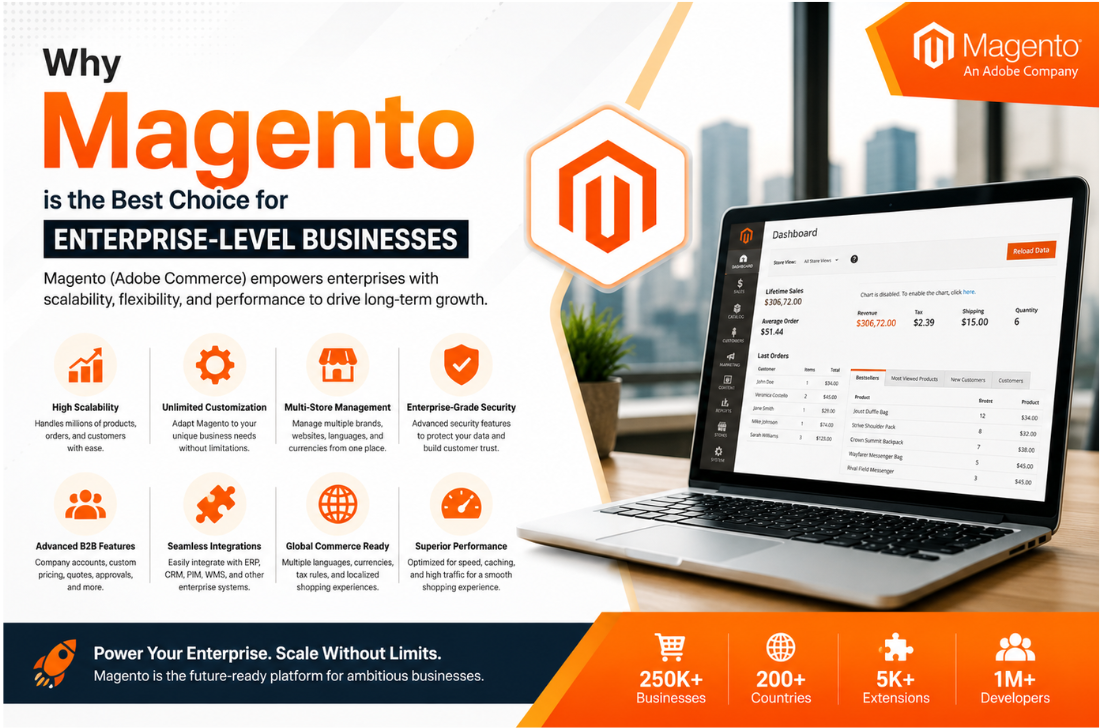
Magento: Is perhaps the most feature-rich cart. You can manage multiple stores just by installing the pack once. Its shrewd administration interface ensures powerful SEO and tools for catalog management to tailor the app as per the distinct business needs. However, you cannot run the package on shared hosting.
OsCommerce: Is one of the powerful and oldest packages.It is easy to install on Linux and Windows shared hosted servers. It comes with several extensions but you need to locate them before using them.
PrestaShop: Is a professional package with a powerful backend and full admin control. There is no limit on its supported categories and images. You can manage even the most complex cart in a few clicks, a rare ability.
In short, the open source packages deliver the features to manage a catalog without the high licensing fees associated with proprietary packages.They offer the same functionality as commercial alternatives.
Factors to Consider Before Choosing a Shopping Cart
Before finalizing your decision, evaluate factors such as scalability, mobile responsiveness, security updates, extension availability, ease of integration, hosting requirements, and long-term maintenance costs. The ideal shopping cart should not only meet your current needs but also support your future business growth.
Final Thoughts
Choosing the right open source shopping cart is a strategic decision that can influence your mobile commerce success for years to come. By understanding your business requirements and evaluating each platform carefully, you can build a flexible, scalable, and cost-effective mobile shopping experience for your customers.
Technology Options for Developing Hybrid Mobile Application for eCommerce
Why the Backend Matters in Mobile Commerce
The frontend of a mobile application is what customers interact with, but the backend is what powers the entire shopping experience. Every product search, order placement, payment transaction, inventory update, and customer interaction depends on the reliability of the backend system.
Choosing the right backend is one of the most important decisions when developing an eCommerce mobile application because replacing it later can be expensive and disruptive.
A well-designed backend ensures smooth performance, scalability, security, and seamless integration with business operations.
Core Functions of an eCommerce Backend
An eCommerce backend manages all critical business operations behind the scenes.
Product Management
The backend stores and manages:
- Product catalogs
- Categories
- Product attributes
- Pricing information
- Product images
Efficient product management ensures accurate information is displayed across the mobile application.
Order Management
The backend handles:
- Order processing
- Order tracking
- Returns management
- Shipping updates
- Invoice generation
Automated workflows help improve operational efficiency and customer satisfaction.
Customer Management
Customer-related functions include:
- User registration
- Account management
- Purchase history
- Loyalty programs
- Customer support integration
These features help businesses build stronger customer relationships.
Key Factors When Choosing a Backend Platform
Scalability
As your business grows, your backend should be capable of handling:
- Increasing traffic
- Larger product catalogs
- More transactions
- Multiple sales channels
Choosing a scalable platform prevents costly migrations in the future.
Performance
Customers expect mobile apps to respond instantly.
Backend performance directly affects:
- Page loading speed
- Search functionality
- Checkout processing
- Inventory synchronization
A slow backend can negatively impact user experience and conversions.
Security
Security is essential for protecting:
- Customer data
- Payment information
- Business operations
Important security features include:
- SSL encryption
- Secure authentication
- Data protection mechanisms
- Regular security updates
The Importance of APIs
Seamless Integration
Modern eCommerce applications rely heavily on APIs (Application Programming Interfaces).
APIs allow the mobile application to connect with:
- Payment gateways
- ERP systems
- CRM platforms
- Shipping providers
- Inventory systems
Omnichannel Commerce
API-driven architecture helps businesses maintain consistency across:
- Mobile applications
- Websites
- Marketplaces
- Physical stores
This improves operational efficiency and customer experiences.
Open Source Backend Solutions
Open-source platforms remain a popular choice because they provide flexibility, customization, and cost advantages.
OpenCart
OpenCart is an excellent choice for small and medium-sized businesses.
Benefits include:
- Lightweight architecture
- Easy administration
- Extensive extension marketplace
- Mobile-friendly capabilities
- Active developer community
Magento
Magento is ideal for larger enterprises requiring advanced functionality.
Key advantages include:
- Multi-store management
- Advanced catalog controls
- Strong SEO capabilities
- Enterprise-level scalability
PrestaShop
PrestaShop offers:
- Powerful administration tools
- Flexible product management
- Extensive customization options
- Strong community support
OsCommerce
One of the oldest eCommerce platforms, OsCommerce continues to provide reliable functionality for many online businesses.
Cloud-Based vs Self-Hosted Backends
Cloud-Based Solutions
Cloud infrastructure offers:
- Easy scalability
- Reduced maintenance
- Automatic backups
- Improved reliability
Self-Hosted Solutions
Self-hosted environments provide:
- Greater control
- Full customization
- Flexible hosting options
Businesses should evaluate both approaches based on their operational requirements and budget.
Mobile API Architecture Best Practices
RESTful APIs
REST APIs remain one of the most popular choices for mobile applications because they are:
- Fast
- Flexible
- Lightweight
- Easy to maintain
GraphQL
GraphQL is becoming increasingly popular because it allows mobile applications to request only the required data, improving performance and reducing bandwidth usage.
Inventory and Order Synchronization
Real-Time Inventory Updates
Accurate inventory management prevents overselling and improves customer trust.
Benefits include:
- Real-time stock updates
- Warehouse synchronization
- Better inventory planning
Automated Order Processing
Automation reduces manual intervention and accelerates fulfillment workflows.
Supporting Mobile Growth
Multi-Platform Support
Your backend should support:
- Android applications
- iOS applications
- Progressive Web Apps (PWAs)
- Future digital channels
Future-Proof Development
A flexible backend makes it easier to add new technologies and features as customer expectations evolve.
Analytics and Business Intelligence
Data-Driven Decisions
A strong backend provides valuable insights into:
- Customer behavior
- Sales performance
- Product popularity
- Marketing effectiveness
Reporting Capabilities
Advanced reporting helps businesses optimize operations and identify growth opportunities.
Common Mistakes When Selecting a Backend
Choosing Based Only on Cost
The cheapest solution may not provide the scalability or functionality needed for long-term growth.
Ignoring Integration Requirements
Modern businesses depend on multiple systems working together. Integration capabilities should always be considered.
Overlooking Community Support
Active developer communities help businesses solve issues faster and extend platform functionality.
Future Trends in eCommerce Backend Development
Headless Commerce
Headless commerce separates the frontend from the backend, providing greater flexibility and faster innovation.
Artificial Intelligence
AI-powered backends are improving:
- Product recommendations
- Search functionality
- Inventory forecasting
- Customer support
Microservices Architecture
Microservices allow businesses to scale individual components independently, improving performance and maintainability.
Cloud-Native Infrastructure
Cloud-native systems offer greater resilience, scalability, and operational efficiency.
Frequently Asked Questions
Why is backend selection important for eCommerce mobile apps?
The backend manages products, customers, orders, inventory, payments, and integrations, making it critical to app performance and scalability.
Which open-source platform is best for mobile commerce?
The ideal platform depends on business size and requirements. OpenCart, Magento, PrestaShop, and OsCommerce are all popular choices.
What role do APIs play in mobile commerce?
APIs enable seamless communication between mobile applications and backend systems, ensuring efficient data exchange.
Can a backend impact customer experience?
Yes. Backend performance directly affects loading speed, product availability, checkout functionality, and overall app reliability.
Conclusion
Choosing a solid backend for an eCommerce mobile application is a strategic investment that influences performance, security, scalability, and customer satisfaction. Whether selecting OpenCart, Magento, PrestaShop, or another solution, businesses should focus on long-term growth, integration capabilities, and operational efficiency. A reliable backend creates the foundation for delivering exceptional mobile shopping experiences and supporting future business expansion.